





The scene that sticks with me – and most viewers – probably the most is of an axe-wielding Amish James going after Matt with an axe. How realistic is that?
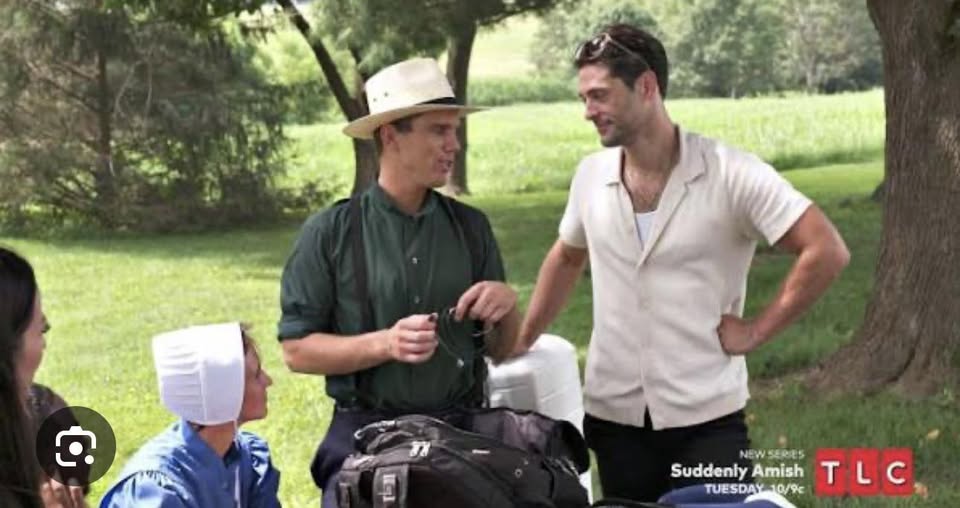
Not very.
Keep in mind that the whole Amish ethos, culture, and religion is centered around pacifism. Generally, wielding an axe against someone would not be compatible with pacifism. I mean, the Amish embrace of pacifism was famous illustrated in the movie Witness when a couple of Amish men were taunted by town bullies only to be confronted – and creamed – by Harrison Ford’s character.
“It’s not our way,” one of the Amish men said as Ford barreled towards the bullies.
“But it’s my way,” he said.
Anyway, back to axe-man James.
Of all the cast members on TLC’s Suddenly Amish, no one generated more viewer reaction — or more online chatter — than James. Depending on who you ask, he’s either the show’s most compelling character or its most infuriating one. Entertainment outlets called him “TV’s biggest villain.” Viewers on social media were more colorful in their assessments.
In addition to James taking an axe to Amish pacifist ways, here’s also what makes him interesting beyond the TV drama: his story touches on one of the most misunderstood and fascinating aspects of real Amish life — the practice of shunning. Having spent over 30 years studying Amish culture, I’ve had a close-up view of shunning. While the media loves a good shunning, the Amish don’t. Shunning is becoming increasingly rare among the Amish.
Who Is James on Suddenly Amish?
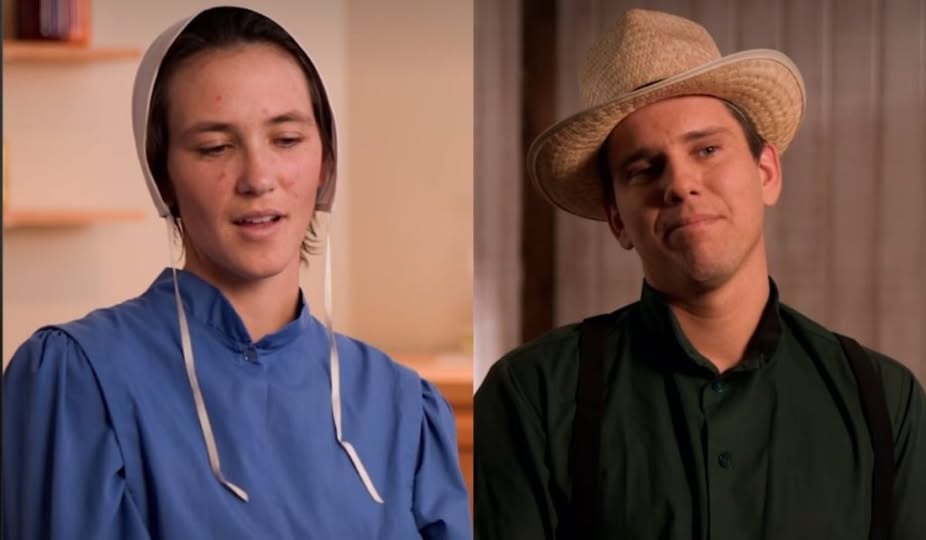
James serves as one of the Amish hosts on Suddenly Amish — meaning he’s on the community side of the experiment, not among the six English outsiders trying to join. His stated role is to help guide the newcomers and prove himself worthy of being welcomed back into the church. Think of James as Clarence from It’s a Wonderful Life who is trying to earn his wings. Well, James is trying to earn his wings back into the Amish by helping the English help themselves (a compelling story if true, but it all struck me as fiction).
The reason James needs to prove himself is central to his story: James was shunned by his Amish community prior to the show. According to reports, the shunning was triggered by cell phone use — a violation of the Ordnung, the code of rules that governs Amish community life. The show frames his arc as a redemption story: by helping outsiders find their way into Amish life, James hopes to demonstrate to the elders that he deserves to find his own way back.
Again, it’s a compelling premise. Unfortunately for James, his behavior on camera made that redemption arc very hard to root for.
What Is Amish Shunning — And Was James’s Story Realistic?
This is where I want to spend a little time, because shunning — known in the Amish world as the Meidung — is one of the most misrepresented topics in any Amish TV show, and Suddenly Amish is no exception.
Shunning in the Amish church is not a dramatic, permanent exile the way it tends to be portrayed on television. It is a serious disciplinary tool, but it is also a pastoral one — the goal, at least in theory, is always restoration An Amish person once described shunning to me as “an act of love.” While shunning someone may seem harsh, the goal is to isolate them so that they have no choice but it come back into the church’s fold.
.A person who is shunned is separated from full fellowship with the community, but they are not cast out forever. The door back is open, provided the person sincerely repents and submits to the community’s authority. There are some Amish churches, for instance, that would shun someone if they decided to leave the Amish, but if they leave to join another Christian church, they won’t be shunned at all.
The reasons for shunning vary by community and by the strictness of the particular Ordnung. Cell phone use, as James’s shunning is attributed to, is indeed a legitimate reason in many traditional Amish communities — though the severity of the discipline would depend entirely on the specific church district and bishop involved.
Yes, there are some Amish churches that shun in just the way Hollywood likes, meaning an Amish person breaks a rule and is booted from the church,cold-shouldered by family and friends alike. But reality is usually far less dramatic and I know of few – if any – Amish churches that would “impose the bann” (shun) over use of a cellphone. Almost every Amish would be shunned if that were the case.
Shunning is usually reserved for much more “severe” violations such as getting a car or setting up a server in the house. And in almost all cases, the offender would be permitted the chance to get back in the church’s good graces, but not through the method James is trying. This is a 100 percent Hollywood invention, a fun Hollywood invention, but completely contrived.
What I will say is this: the idea that a shunned man would be given a position of authority over six outsiders — and be trusted to guide them toward potentially joining the church — is, to put it gently, not how things work in a real Amish community. A man under the Meidung (yet another term for shunning) would not typically be placed in a leadership role. That detail alone tells you something important about the nature of this show.
James on the Show: What Happened
Whatever the producers intended James’s arc to be, what viewers actually got was something closer to a slow-motion train wreck — and one that was hard to look away from.
From early in the season, James struggled visibly with the very standards he was supposed to be modeling. He was caught with alcohol and a cell phone — the same item that led to his shunning in the first place. He became entangled in a complicated dynamic with his cousin Emma, who was also on the show, that raised eyebrows among viewers and cast members alike. He developed an obvious interest in Kendra, one of the English participants, which generated considerable conflict. Now, whether these romantic sparks were real – either James and Kendra or James and Emma – was difficult to discern. Either way, it made for good TV.
The moment that generated the most online reaction was James grabbing a lantern, hitching up a horse and buggy in the middle of the night, and driving to a motel to confront Matt and Kendra after they left the community together. Whatever one thinks of the scene’s authenticity, it made for television that people talked about.
“There’s only one motel near here,” James said as he left to find Matt and Kendra.
How convenient.
I am not sure where they are in Lancaster County, but the place is like an Amish Myrtle Beach, in other words, hotels everywhere. So that whole scene was implausible.
By the end of the season, James had managed to alienate most of the people around him, including the elders whose approval he supposedly needed. His redemption arc did not exactly go according to plan.
James Actually Amish?
This is the question viewers kept asking online, and it’s a fair one. A little digging into social media — and some posts from Emma herself — suggests that both James and Emma are ex-Amish, meaning they were raised in the Amish faith but are no longer active members of the church. That’s a very different thing from being a current community member trying to return from shunning, which is how the show presents James. James is active on Facebook under the name "Amish Rebel" where he seems to enjoy a decidedly non-Amish life.

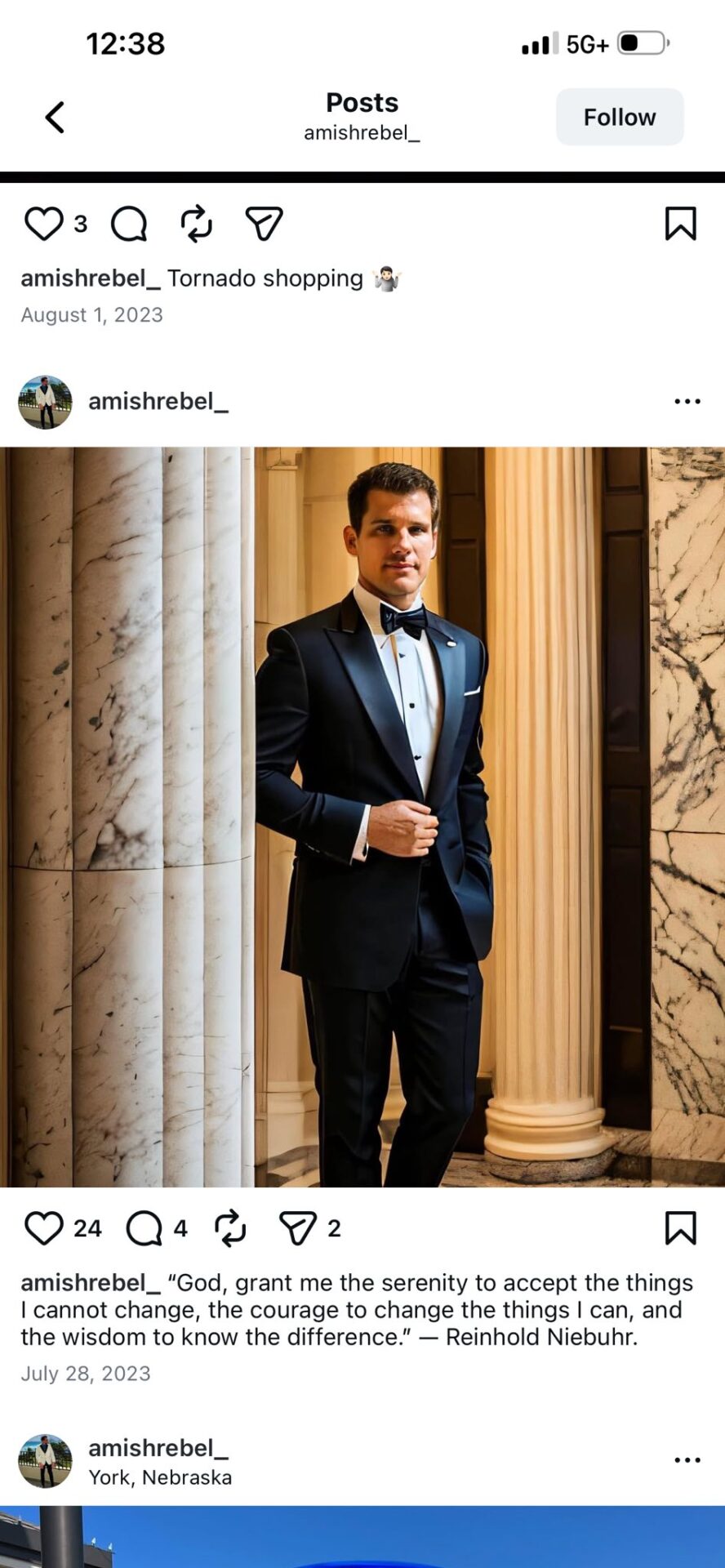
If accurate, it reframes his entire storyline. He’s not a shunned Amish man seeking restoration — he’s a former Amish person playing a role on a television production. That doesn’t make him a villain. It makes him a cast member, like everyone else on the show. And James’s acting chops were very good. In other words, James had the Amish experiences to make him a plausible character, but enough worldly experience to pull it all off. He was - in this sense – the perfect person to fill this “reality role.”
What Real Amish Shunning Looks Like — Versus the TV Version
Since James’s story gave us a prime-time depiction of Amish shunning, it’s worth using his example to talk about what shunning actually involves in real Amish communities — because the gap between the TV version and reality is considerable.
On television, shunning tends to be portrayed as a dramatic, total rejection — someone cast out into the darkness, severed from everyone they’ve ever known. The reality is more nuanced and, in many ways, more psychologically complex than that.
I mean, when someone is truly shunned, yes, it is true they could walk into an event, say an Amish wedding, and everyone would turn away from the offender like sunflowers turning towards the sun in the opposite way. No one would interact with the offender, talk with the offender, engage with the offender (and, knowing this, the offender would rarely appear at said event…bad for Hollywood, good for the offender).
But those are the most dramatic – and rare – cases. Other shunning is more nuanced where someone might show up at an Amish gathering and be shunned by a handful of people. I mean, sometimes others aren’t even aware such-and-such is being shunned. Since the aim of the Amish church is generally to keep someone in the fold, shunning can cause the offender to push further away and that isn’t a goal….the goal – the act of love – is to isolate them to the point where they have no choice but to repent and come back. That is the goal of shunning, but, in practice, that full-blown full shunning is increasingly rare and tough to enforce.
A Final Thought on James
James is the kind of character that reality television loves and that does not translate well to real life. He made for compelling viewing. He also illustrated, inadvertently, nearly every problem with how Amish life gets portrayed on screen — the exaggerated authority, the theatrical confrontations, the selective application of rules that in a real community would apply to everyone equally.
Whether you found him entertaining or exhausting probably says something about your tolerance for reality TV drama. But if James made you curious about what Amish shunning actually is, and what it means for the people who experience it, then at least his time on screen served some purpose.
Where James does succeed in conveying Amish authenticity is that the Amish are real people with complex emotions, relationships, and entanglements In that sense, James is very believable as an “Amish character.” But as a showcase of shunning or a paragon of pacifism, his character falls short.




Leave a Reply