


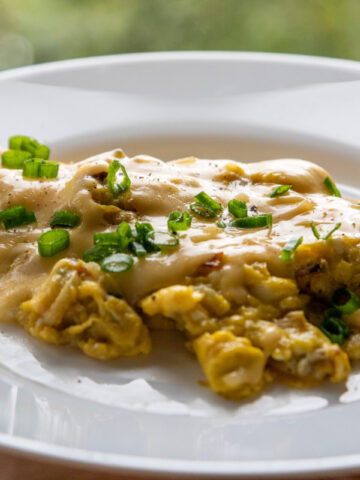
Egg Dutch is one of the first recipes that ever appeared in the Amish Cook column, put in there first by Elizabeth Coblentz, the original Amish Cook. This is really just a hearty omelet...the flour bulks it up a bit and the milk makes it nice and fluffy. It's definitely a great way to start your day! While this post has been around since 2013, I updated it and bulked it up in 2025 with more cultural context and serving suggestions!

What Makes Egg Dutch Special?
If you've been searching for "Dutch an egg," "egg Dutch," or "how to make egg Dutch," you've landed in the right place. This traditional Pennsylvania Dutch recipe has been feeding Amish families for generations, and once you try it, you'll understand why it's endured.
Unlike a regular French omelet that's light and delicate, Egg Dutch is hearty and substantial - the kind of breakfast that'll fuel you through a morning of farm chores or keep you satisfied until lunch. The addition of flour gives it more body and makes it almost pancake-like in texture, while the milk creates an incredibly fluffy interior. Think of it as the intersection between an omelet, a pancake, and a soufflé.
The Pennsylvania Dutch Connection
The "Dutch" in Egg Dutch doesn't refer to the Netherlands - it comes from "Deutsch," meaning German. The Pennsylvania Dutch are descendants of German-speaking immigrants who settled in Pennsylvania in the 17th and 18th centuries, and many Amish communities trace their roots to these Pennsylvania Dutch origins. Their cooking style emphasizes hearty, practical meals using farm-fresh ingredients that were readily available.
Egg Dutch exemplifies this philosophy perfectly. It uses simple ingredients that every Amish household would have on hand - eggs from the henhouse, milk from the morning milking, flour from the pantry, and basic seasonings. Nothing fancy, nothing wasted, just good, honest food that fills you up and tastes delicious.
I've seen variations of Egg Dutch served everywhere from Maine to Montana during my three decades of visiting Amish settlements. Sometimes it's called "Dutch Egg," sometimes "Egg Dutch," and occasionally just "Dutch Eggs," but the concept remains the same: a thick, fluffy egg dish that's somewhere between scrambled eggs and an omelet, bulked up with flour for substance. And, yes, some people refer to this as "Dutch an egg" or "Dutching an egg."
When Do Amish Families Make Egg Dutch?
Egg Dutch is a quintessential farm breakfast. It's the kind of meal Amish mothers make when they need to get a hearty breakfast on the table quickly for a family with morning chores ahead. I've watched it being prepared in countless Amish kitchens, and it's almost always associated with busy mornings when something filling but fast is needed.
It's particularly popular:
- During harvest season when extra energy is needed
- For church Sunday mornings when time is tight
- As a meatless meal option
- When there's an abundance of fresh eggs from the henhouse
- For Saturday morning breakfasts when the whole family is home
The beauty of Egg Dutch is its versatility. It works equally well as a breakfast, a light lunch, or even a quick supper when paired with some fresh bread and fruit.
How Egg Dutch Differs from a Regular Omelet
The key differences that set Egg Dutch apart:
The Flour Factor: Regular omelets contain no flour, but Egg Dutch uses flour as a thickening agent. This creates a heartier texture and makes the dish more filling - crucial for people doing physical labor all day.
Cooking Method: Traditional omelets are cooked uncovered and folded. Egg Dutch is cooked covered with a tight lid, which steams the eggs and creates a uniform, fluffy texture throughout. You then cut it into pieces and flip them individually.
Texture: A French omelet is smooth and custardy. Egg Dutch is more substantial, almost bread-like in places, with a golden-brown crust on both sides from the double frying.
Portions: While a typical omelet serves one or two, Egg Dutch is often made in larger quantities to feed a farm family, then cut into wedges or squares for serving.'
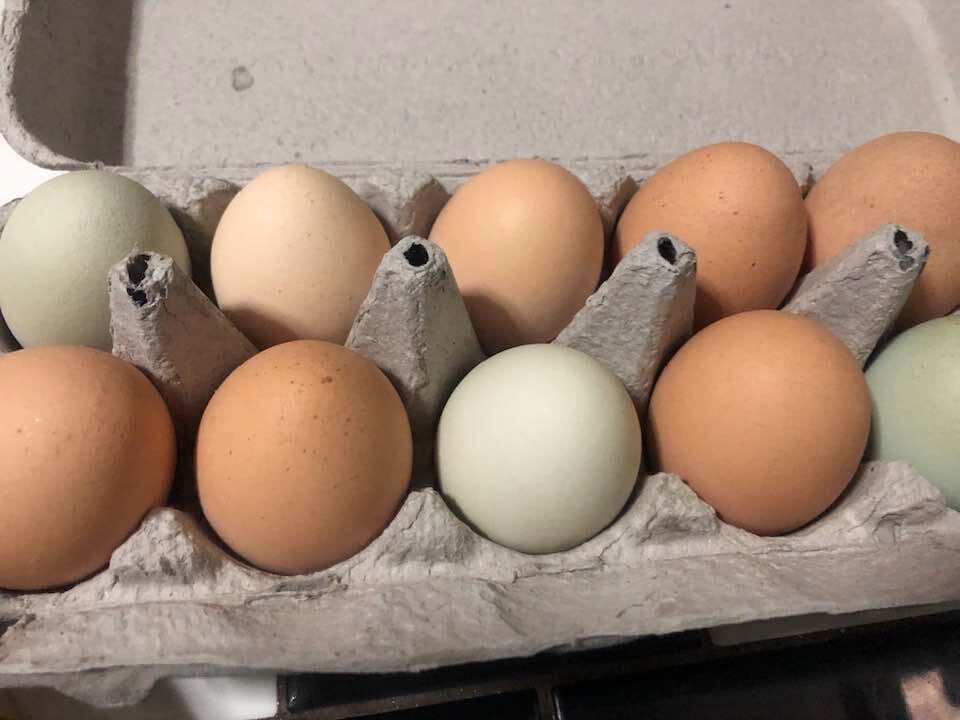
A recipe like this is perfect for an Amish farm where there is usually an abundance of eggs, farm fresh eggs created and on the premises.
Full Recipe

Egg Dutch
Ingredients
- 5 eggs
- 1 teaspoon salt
- pepper to taste
- 1 heaping tablespoon flour
- 1 cup milk
Instructions
- Put eggs, salt, pepper, flour and milk into a medium bowl.
- Beat. Pour into a greased skillet and cover with a tight lid.
- Place over medium heat.
- Place over medium heat. Cut and turn when half done and finish baking.


Leave a Reply