




Beef tallow is having a moment. But for the Amish, the moment has never ended. But for those of you wanting to slather it all over your face like the TikTok videos say you should or cook with it or whatever, Amazon has plenty for sale. (affiliate link)
In 2026, the old-fashioned rendered beef fat that your great-grandmother probably kept in a tin beside the stove is suddenly appearing on the shelves of Whole Foods, in the feeds of wellness influencers, and in the kitchens of chefs who are rediscovering what makes a cast-iron skillet truly sing.
But here's the thing: in Amish kitchens across Ohio, Indiana, Pennsylvania, and beyond, beef tallow never went anywhere. In fact, I remember when I first started visiting Amish kitchens that beef tallow and lard were – and still are – twin tools used in cooking and baking. The lard and tallow can often be found in crocks on the counter or vats in a cool cellar.
For the Amish, cooking with animal fats isn't a wellness trend or a TikTok experiment. It's simply the way things have always been done — and increasingly, the rest of the food world is realizing they were correct all along. Now, none of this means that the Amish are immune from food trends. I’ve seen margarine, canola oil, and spelt all sweep through Amish settlements and some items, like margarine, then retreat in popularity as people realize the original (butter) was better.
What Is Beef Tallow, Exactly?
Well, beef tallow is rendered beef fat — most commonly from the fat surrounding the kidneys and loins, called suet. The rendering process involves slowly heating the raw fat until the liquid fat separates from the solid bits (called cracklings or grieben in traditional kitchens). The result is a creamy, shelf-stable cooking fat with a high smoke point and rich, beefy depth of flavor. And those cracklings are very popular among the Amish. I’m not sure I’ve ever had them,but they are a delicacy.
Tallow is distinct from lard, which is rendered pork fat. Both are traditional animal fats that were kitchen staples for centuries before vegetable shortening and industrial seed oils displaced them in the mid-20th century. Tallow is firmer at room temperature and has a slightly higher smoke point than lard, making it especially well-suited for frying, roasting, and searing.
Nutritionally, beef tallow is high in saturated fat and monounsaturated fat, contains fat-soluble vitamins A, D, E, and K, and — when sourced from grass-fed cattle — has a favorable ratio of omega-3 to omega-6 fatty acids.
The Amish Relationship With Animal Fat
To understand why the Amish never abandoned beef tallow (or its pork cousin, lard), you have to understand the Amish relationship with butchering.
For most Amish families, hog butchering day is one of the defining events of the winter calendar — typically falling in February or March, after the holiday rush and before the spring planting season begins. It's cold, deliberate work that the whole family and sometimes the whole community participates in. And when you butcher a hog or a steer, nothing goes to waste.
There are other, more practical reasons, butchering day is often in the spring. March offers a final cool respite before the heat of spring and summer sets in and, believe me, if you try to butcher in the heat, you’ll have a fly-filled hot mess. Cold weather is better for butchering.
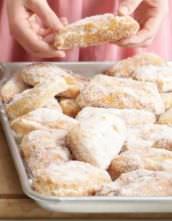
The fat rendered from butchering day went into crocks and tins for use throughout the year. Lard was the primary cooking fat for baked goods — pie crusts especially, where it produces a flakiness that butter simply cannot match. Beef tallow was saved for frying, for seasoning cast iron, and in some communities for candle and soap making.
On Amish365, we've covered the tradition of cracklings — the crispy solids left behind when lard is rendered — which are closely related to tallow production. Read our deep dive on cracklings here.
Why Did the Rest of America Abandon Beef Tallow?
The short answer: Crisco, vegetable shortening, and decades of dietary guidance that demonized saturated fat. And plenty of Amish recipes contain Crisco and Amish cooks were not immune to that trend, but many old-timers never let go of their beef tallow and, like mainstream America, many younger Amish are finding their way back to the tallow.
In the early 20th century, Procter & Gamble's marketing campaign for Crisco effectively convinced American home cooks that their grandmothers' lard and tallow were inferior — even unhealthy. Cottonseed oil, and later soybean and corn oil, became the dominant cooking fats. By the 1960s, saturated fat had been branded as a cardiovascular villain, cementing vegetable oils' dominance.
Fast food chains, which had originally fried in beef tallow (McDonald's famous fries were cooked in tallow until 1990), switched to vegetable oils under pressure from health advocates. The taste never quite recovered.
Amish old-timers largely ignored this shift. Not out of stubbornness, necessarily, but because their food culture is insulated from mainstream marketing and because animal fat is what you have when you butcher your own animals. Why would you throw it away?
Why Beef Tallow Is Back in 2026
A confluence of trends has brought beef tallow roaring back into mainstream kitchens.
The Ancestral Eating Movement
Diets emphasizing animal proteins and traditional fats — from paleo to carnivore to the broader "ancestral eating" philosophy — have rehabilitated tallow's reputation. Proponents argue that humans evolved eating animal fats, and that the processed seed oils that replaced them are far less compatible with our biology.
Whole Foods and the Mainstream Seal of Approval
When Whole Foods Market lists beef tallow as one of its top food trend predictions for 2026 — calling it "an old-school fat being rediscovered by consumers who value ancestral ingredients" — it signals that tallow has crossed from niche to mainstream.
Social Media and Cast Iron Culture
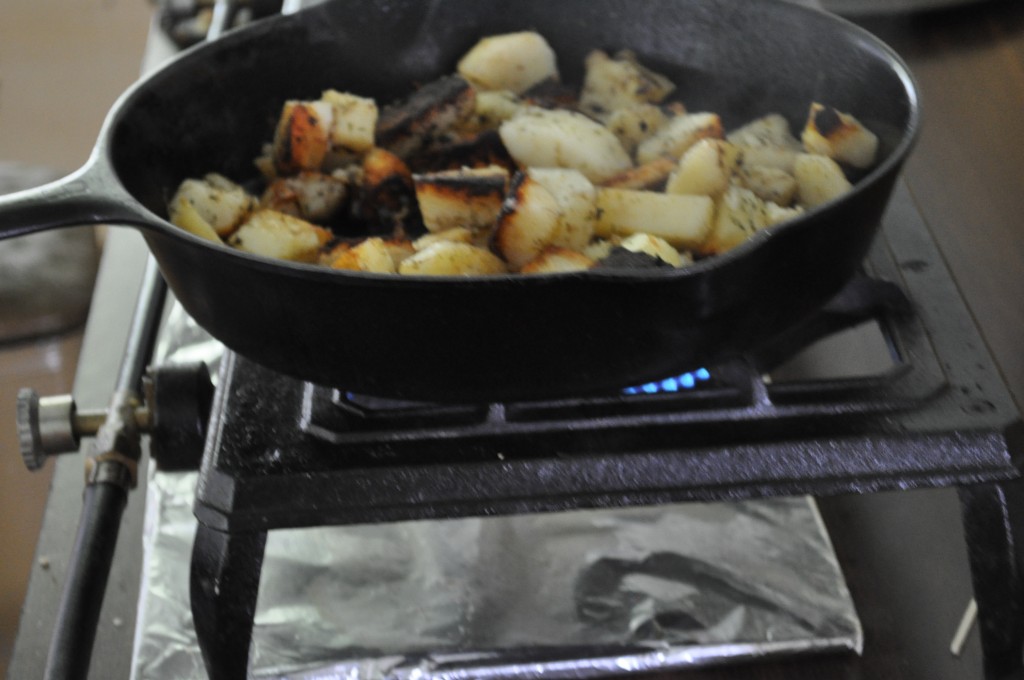
Home cooks on TikTok and Instagram have rediscovered that tallow is one of the best ways to season and maintain a cast-iron skillet — and that tallow-fried potatoes taste extraordinary. Once you've had tallow fries, seed oil fries taste flat.
What the Amish Knew All Along
What is common at Amish butchering time is how nothing – right down to the tallow-is wasted. Man, the lard makes the best pie crusts. We all know that. And the beef tallow, well, long before the TikTok videos, Amish cooks were trumpeting it.
What's striking about talking to Amish cooks on the subject of cooking fats is the complete absence of defensiveness. There's nothing to defend. The question of whether to use lard or vegetable oil isn't a debate in most Amish households — it was settled generations ago and the answer hasn't changed.
This is, in a way, the Amish approach to most things. The outside world cycles through trends and counter-trends, embracing and then discarding ideas with each new decade. The Amish, insulated by choice from much of that churn, simply continue doing what works.
Beef tallow works. It has always worked. And 2026 is the year the rest of us are finally admitting it.
Amish Recipes That Have Always Used Animal Fat
Want to cook the way the Amish cook? These recipes from Amish365 are either traditionally made with lard or tallow, or are perfect vehicles for exploring these fats:
- Fastnachts (Amish Doughnuts) — The traditional Fat Tuesday doughnut of the Pennsylvania Dutch, fried in hot fat. Lard gives these an incomparable crispness.
- Amish Lard Cakes (Winter Doughnuts) — These Swiss Indiana Amish doughnuts are traditionally fried in lard on hog butchering day. Their name says it all.
- Cracklings — The crispy pork solids left behind when lard is rendered. A butchering-day tradition across Amish communities.
- Mrs. Schrock's Amish Mock Steak — This recipe is genuinely better with lard. Try it both ways and see for yourself.
How to Start Cooking With Beef Tallow
If you want to experiment with beef tallow, here's a quick primer:
Where to Buy It
Beef tallow is now available in most natural grocery stores, through online retailers like Amazon, and sometimes directly from local farms and butchers. Look for grass-fed beef tallow for the best nutritional profile and flavor. If you have a relationship with a local Amish farm stand — many Amish communities sell direct — ask if they render tallow or can point you toward a source.
How to Use It
- Frying and deep frying: tallow's high smoke point (~400°F) makes it ideal
- Roasting vegetables and potatoes: toss in melted tallow before roasting
- Searing meat: creates an extraordinary crust in a cast-iron pan
- Seasoning cast iron: wipe a thin layer on your skillet after each use
- Pie crusts: use in place of or alongside lard for the flakiest crust you've ever made
How to Store It
Properly rendered tallow is shelf-stable at room temperature for up to a year when stored in a sealed container away from light. The Amish traditionally stored lard and tallow in crocks in a cool cellar. A sealed glass jar in a cool cabinet works perfectly in a modern kitchen.
The Amish Were Ahead of This Trend by About 300 Years
There's a certain quiet satisfaction in watching a food trend catch up to what Amish cooks have been doing all along. Beef tallow doesn't need a rebrand or a celebrity endorsement to validate it. It needs the same thing it's always needed: a hot cast-iron skillet and something worth frying.
While the Amish are often known for their “food secrets”, it isn’t really secret and, again, they are also captivated by unhealthy food trends. But some of their tried and true foods like tallow, tard and even things like dandelion greens are readily available to everyone and have never fallen out of favor or fashion among the Amish.
Have you cooked with beef tallow? Drop a comment below and let us know your experience — or share a family recipe that's been using animal fat all along.



Leave a Reply