





Over the years the Amish - people who generally like to stay out of the news – have made the news in surprising ways. There were the Bergholz beard cutters and the Amish Stud murder, to name a couple. But then there is the tragic case of Ruth Miller. On the weekend of August 23, 2025 — Ruth Miller's 40th birthday — a family trip to Atwood Lake in Tuscarawas County, Ohio ended in unthinkable tragedy. People Magazine did an extensive story of the minute-by-minute lead up to the tragedy.
By the time it was over, Ruth's 45-year-old husband Marcus was dead, and so was their four-year-old son, Vincen. Ruth Miller, an Old Order Amish woman from Millersburg in Holmes County, was in custody — and would soon be charged with aggravated murder. On March 4, just days from now, her trial begins, but it will be a bench trial. Miller waived her right to a jury trial and it will be a judge hearing the evidence that makes the final decision on her fate.
The Tragedy of Ruth Miller
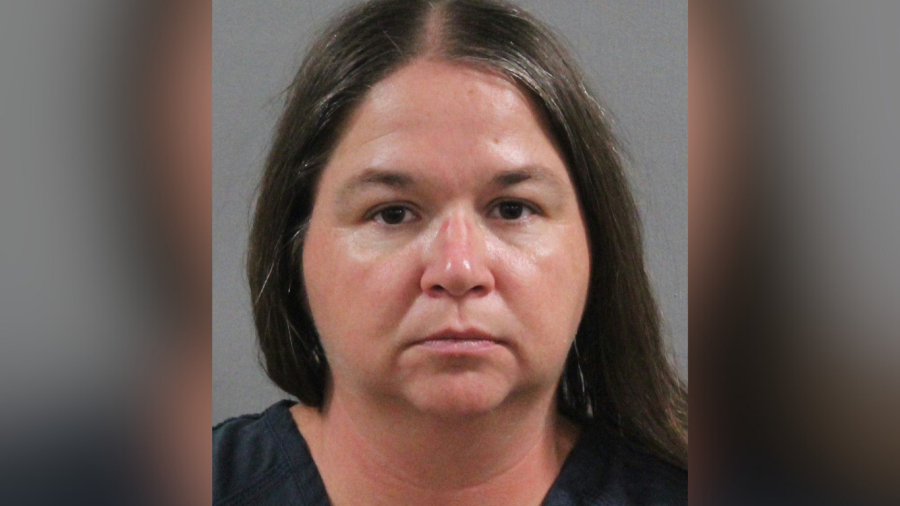
According to investigators, what unfolded at Atwood Lake in the early hours of August 23 was the result of what the Tuscarawas County Sheriff's Office would later describe as a "spiritual delusion." In the middle of the night, Ruth and Marcus Miller went to the dock together and jumped into the lake, believing God was speaking to them and calling them to perform tests of faith. Marcus reportedly returned to their RV feeling he had failed those tests — that his faith wasn't strong enough. He went back to the lake alone, attempting to swim to a distant sandbar, and never returned. His body was found the following morning. Ruth then placed four-year-old Vincen in a golf cart and took him back to the dock, where she put him into the water. When first responders arrived after reports of a golf cart having been driven into the lake — with Ruth and her three older children aboard — Ruth told a park ranger: "I gave him to God." Vincen's body was found at the bottom of the lake that evening. The three older children — twin 18-year-old sons and a 15-year-old daughter — escaped the submerged golf cart physically unharmed.
The Charges and the Plea
Ruth Miller was charged with seven counts, including aggravated murder, felonious assault, domestic violence, and child endangerment. She faces life in prison if convicted on the aggravated murder charge, with parole eligibility no earlier than 20 years, or potentially life without parole. Now, I will say, the local police – in my view – did an inept job of questioning Miller. There was no Pennsylvania Dutch interpreter on hand who might have been able to provide context – for both sides – to the conversation. In September 2025, Miller entered a plea of not guilty by reason of insanity. Her defense attorney argued that a mental defect prevented her from understanding the wrongfulness of her actions. In November, a judge deemed her mentally competent to stand trial — a separate legal question from the insanity defense itself. She has been held without bail in the Tuscarawas County Jail since her release from a secure mental health facility.
The Insanity Defense

The central question of the upcoming trial is not whether Ruth Miller put her son in the water — she told officers on bodycam that she did. The question is whether she was legally sane at the time. Under Ohio law, the standard focuses on objective wrongfulness — whether she understood that her actions were legally and morally wrong by society's standards — not on her personal religious beliefs about what God was commanding her to do. And I am just not sure – from the bodycam video – that she understood they were morally and legally wrong because she just so freely talked about it. It seemed like if she understood how wrong her actions were, she might have not been so forthcoming. I’m not defending her, just putting on my devils advocate hat. In pre-trial hearings, the prosecution and defense have already clashed over how much the jury should be instructed on this distinction. The prosecution wants jurors explicitly told that subjective religious belief is not the legal standard for wrongfulness. The defense argued this would amount to over-instructing the jury. The judge's ruling on this point could significantly shape how the trial unfolds. Despite what is sometimes seen on TV, the Amish are pretty accommodating and accepting of the legal system, often using it to their advantage if they feel a law is infringing on their rights. So I think the majority of Amish accept that Ruth Miller has to go through the judicial process as a consequence for her actions.
The Community's Reponse
The response from the Holmes County Amish community has been notably compassionate rather than condemnatory. A statement from Miller's family and church said the events "do not reflect our teachings or beliefs but are instead a result of a mental illness," adding that the family had been "walking with them through their challenges" and that Ruth had received professional help in the past. A neighbor, Marion Miller, told reporters simply: "The community has forgiven her." I think a lot of Amish view Ruth Miller’s actions as an unfortunate and tragic “mental health event” and that God is in control of everything from here on out, but she still has to answer to the courts.
Mental Illness Among the Amish
Clinical psychologist Jim Cates, author of Serving the Amish: A Cultural Guide for Professionals, noted that religious delusions are not unique to any faith tradition but emphasized that what Ruth Miller allegedly did is not consistent with Amish belief: the community does not sanction testing God by placing others in harm's way. The Amish are increasingly accepting of mental health services, counseling, and medication. For most of their history the Amish were pretty insulated and were suspicious of mental health services, but advocacy and public service campaigns have helped turn the tide in many communities, especially the larger ones.
The Children Left Behind
One of the most heartbreaking dimensions of this case is what becomes of the three surviving children — the twin sons and the teenage daughter — who were present that day and lost both a father and a baby brother, while their mother now faces life in prison. After the incident, they were released to extended family members. Still, the children are older….the twins are adults and the 15-year-old, both will be embraced and supported wholly by their church community.
The Trial, What To Watch For
When the trial opens on March 4 in New Philadelphia, Ohio, the outcome will hinge largely on competing testimony from forensic psychological experts. The prosecution will seek to demonstrate that Miller understood the wrongfulness of her actions. The defense will argue she was in the grip of a severe mental illness that made that impossible. A verdict of not guilty by reason of insanity would not mean freedom — under Ohio law, it would mean commitment to a secure psychiatric facility. For anyone who has followed Amish life closely, this trial raises questions that go well beyond the courtroom: about how faith communities recognize and respond to mental illness before tragedy strikes, about the line between deep religious belief and delusion, and about how a tight-knit Plain community absorbs and heals from something this devastating. I think this case is a prominent reminder of how the Amish had mental health needs just like any other people. The importance of mental healthcare has been increasing Amish communities, I think this case will simply accelerate the arrival of services to those who need it, and that could be the one silver lining from this terrible tragedy






Leave a Reply