





Dayton sits in a picturesque crease between the violet-colored Shenandoah Mountains to the west and the Blue Ridge to the east. This historic Rockingham County town has become home to a thriving Old Order Mennonite community that maintains traditional practices while actively participating in the local agricultural economy. I have spent a lot of time in this beautiful, bucolic community and I definitely think it is worth a visit!
Understanding the Community
The Old Order Mennonites of Dayton represent one of Virginia's most established Plain communities, with families who have been part of the valley landscape since shortly after the Revolutionary War. Unlike their Amish neighbors elsewhere, these Mennonites worship in church buildings rather than homes and have adapted selectively to certain modern conveniences while maintaining their core values of simplicity and separation from mainstream culture.
Community Structure
The Dayton area actually has two distinct Old Order Mennonite groups that split in 1953. Originally known as the Wenger and Kline Mennonites (named after early church founders), both groups share the same fundamental beliefs but differ on certain practical matters:
- Technology Acceptance: Both groups allow electricity and telephones, but prohibit television, radio, and computers (except for business use without internet)
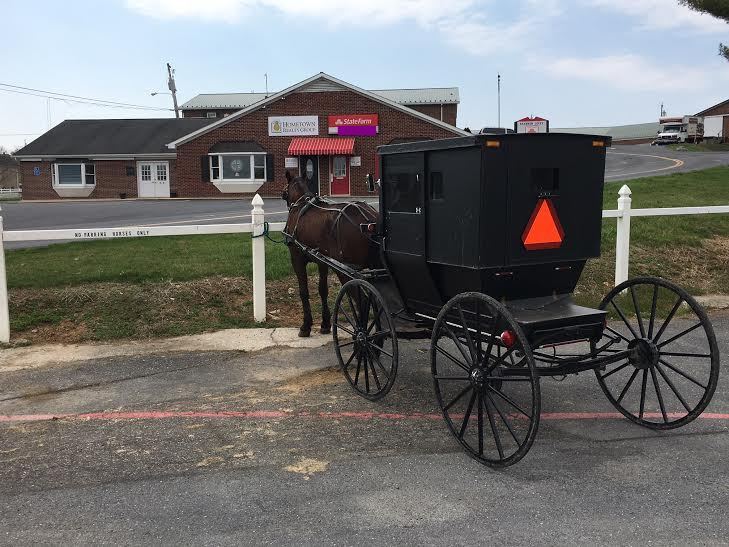
- Transportation: Horse-drawn buggies remain the primary form of transportation, with coal-colored buggies being the standard
- Worship: The groups alternate use of church buildings on different Sundays
The community faced interesting challenges adapting to modern innovations - cell phones were initially tolerated until cameras and internet capabilities were added, creating ongoing discussions about acceptable technology use.
What Visitors Can Experience
The Dayton Market
Location: 3105 John Wayland Highway
Hours: Thursday-Saturday, 9:00 AM - 6:00 PM
Locals half-jokingly call this "The Mennonite Mall." This market features over 15 specialty shops offering authentic Mennonite-made goods including:
- Fresh baked goods and preserves
- Traditional crafts and quilts
- Local cheeses and farm products
- Books of Merit bookstore (with wireless internet for those who need it)
- Food court featuring hearty Mennonite fare like pan-fried chicken and mashed potatoes
Mennonite Businesses Throughout the Valley
Buggy Shops: Visitors can observe the craftsmanship that goes into building and maintaining the community's primary form of transportation. New buggies, fully equipped with windshield wipers, cup holders, and tinted windows, cost around $10,000 and can last 50+ years with proper maintenance.
Harness Shops: Traditional leather working continues in converted buildings throughout the rural areas, where craftsmen create harnesses used throughout Virginia.
Farm Stands: Numerous Mennonite families operate roadside stands selling fresh produce, baked goods, and seasonal specialties that reflect the valley's agricultural heritage.
Micro-Businesses: The community's entrepreneurial spirit is evident in dozens of small businesses including sawmills, furniture makers, and specialty craft shops that contribute to the area's self-sufficiency.
Educational Opportunities
Mountain View Mennonite School: This one-room schoolhouse represents the community's approach to education, where children attend through eighth grade in a setting that emphasizes practical learning alongside traditional academics. The school features daily music sessions where students gather in the basement to harmonize using pitch pipes.
Agricultural Experiences
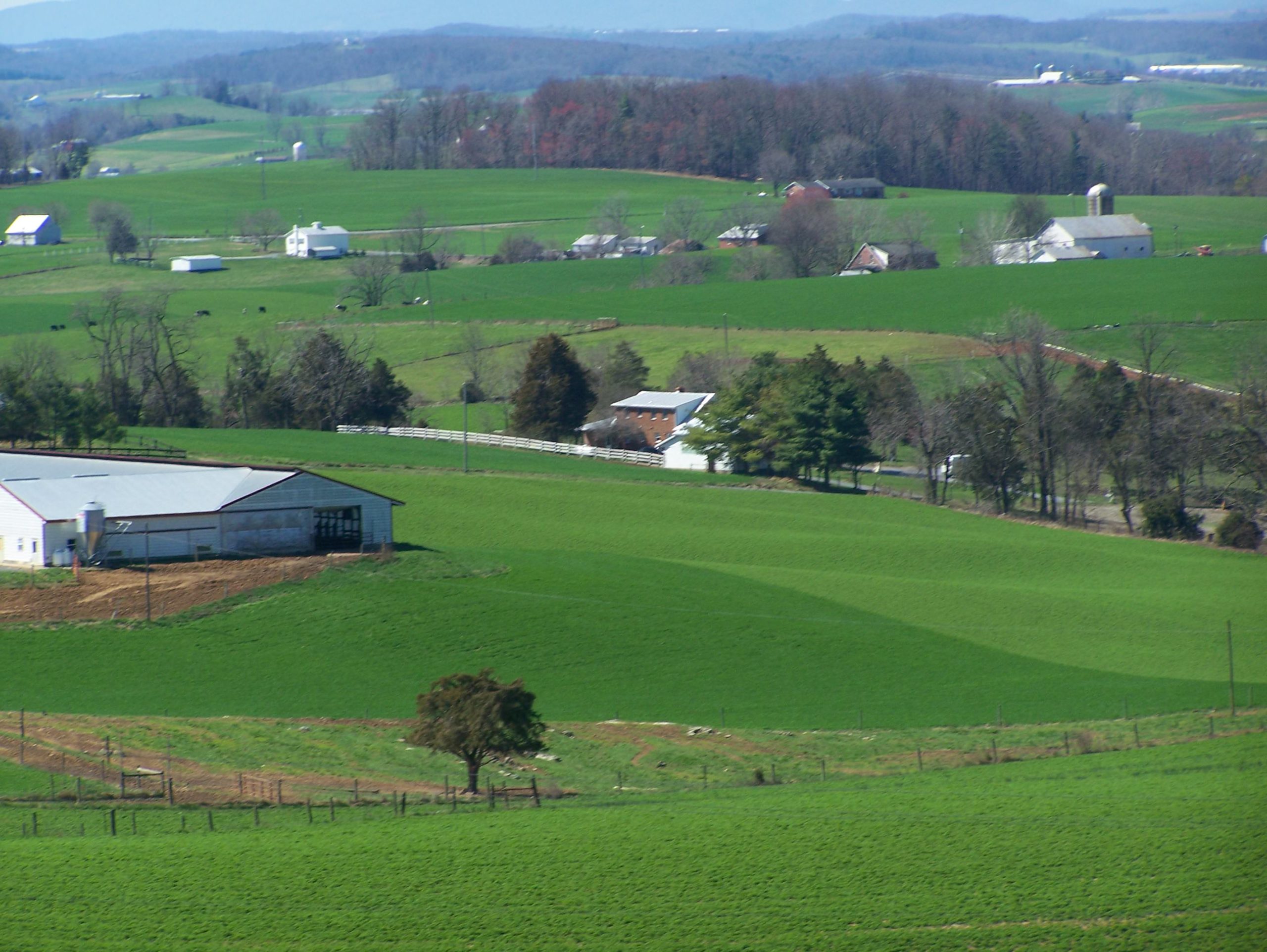
The area around Dayton is predominantly farmland owned by Mennonite families, creating a patchwork of productive fields growing soybeans, alfalfa, and rye. The Wednesday morning hay auctions provide visitors a glimpse into the community's agricultural commerce.
Practical Visitor Information
Getting There
- From Washington D.C.: I-66 west to I-81 south to Exit 245, then Route 42 south
- From Richmond: I-64 west to I-81 north to Exit 245, then Route 42 south
- Dayton is located just 2 miles south of Harrisonburg
Driving Considerations
- Watch for horse-drawn buggies on all rural roads, especially Route 42
- Buggies are black with reflective materials for visibility
- Rural roads offer beautiful valley views but require careful attention
- The contrast between Old Order areas and modern development can be stark
Historical Context
The Mole Hill: This perfectly round, tree-cloaked hill rises from the valley floor and serves as a visual reference point for the Mennonite community. Geologists believe it was once an active volcano - at 47 million years old, possibly the last active volcanic site on the east coast.
Mennonite Heritage: Names like Wenger, Klein, and Burkholder appear on cemetery stones dating back to the Revolutionary War, illustrating the community's deep roots in Rockingham County.
Visitor Etiquette
- Be respectful when visiting businesses and farms
- Ask permission before photographing people
- Most businesses accept cash and checks; some may accept credit cards
- The community values their privacy while welcoming respectful visitors interested in their crafts and way of life
Nearby Attractions
- Eastern Mennonite University in Harrisonburg provides additional context for understanding Mennonite history
- Historic Dayton features walking tours and preserved buildings
- Silver Lake Mill offers a glimpse into the area's industrial heritage
Best Time to Visit
Spring through fall offers ideal weather for exploring the countryside. The rural roads that "lie on the hillsides like lattice" provide scenic drives past working farms, one-room schoolhouses, and traditional Mennonite businesses that showcase a way of life focused on simplicity, community, and connection to the land.
The Dayton Mennonite community represents a successful integration of traditional Plain values with the economic realities of modern rural Virginia, offering visitors an authentic glimpse into a thriving alternative way of life in one of America's most beautiful agricultural regions.





Leave a Reply