



Jump to:
Canada may not be the first place that comes to mind when you think of the Amish, but Ontario has been home to thriving Plain communities for over 200 years — longer than most American states. If you're planning a visit or simply curious about Amish life north of the border, this guide will walk you through everything you need to know.
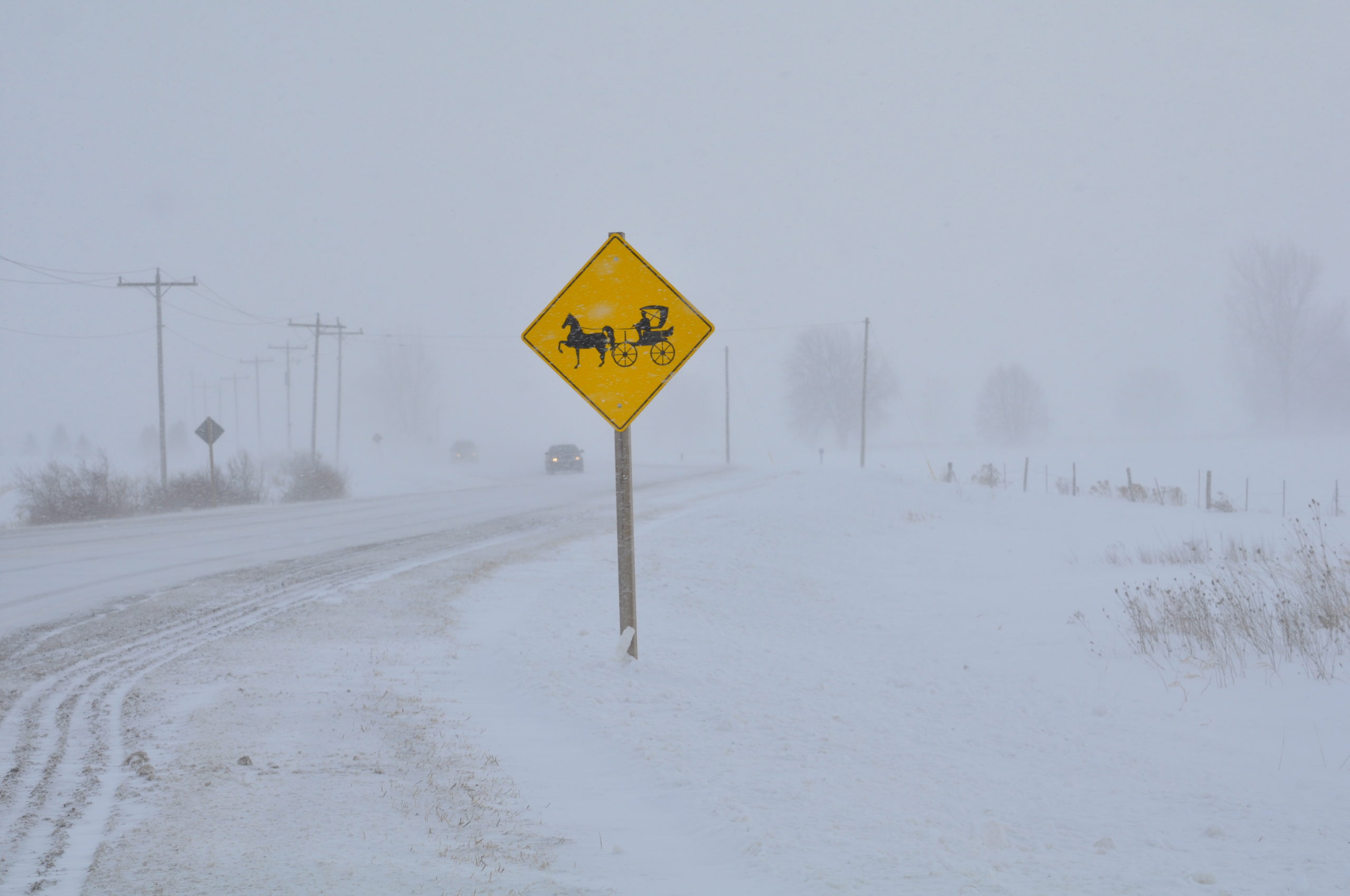
When I was first learning about Amish culture, I kept hearing about the Amish around Kitchener and Waterloo, but, that is more of Mennonite area. So in Ontario you have a rich, vibrant community of Mennonites and Amish and, for good measure, some Russian-Mennonites and Mexican Mennonites. The latter two groups are Mennonites, but have deeper historical ties to other countries.
How Many Amish Live in Ontario?
The Canadian Amish population exceeds 6,000 people living in almost two dozen different communities and for many years Ontario was the only province in Canada where Amish lived. Today Ontario still hosts the vast majority of Canada's Amish population, with settlements ranging from ultraconservative to remarkably open to outsiders. I, unfortunately, have only been a handful of Ontario's Plain communities.
What makes Ontario's Plain community especially fascinating is that it isn't just Amish. Canada is also home to the largest population of Old Order Mennonites in the world, centered around the Kitchener-Waterloo area. First-time visitors often assume Kitchener-Waterloo is an Amish hub, but that's actually Mennonite territory — an important distinction worth understanding before you visit.
The Major Amish Settlements in Ontario
Milverton — Canada's Oldest and Largest Amish Community
If you visit only one Amish settlement in Ontario, make it Milverton. The Milverton settlement in Perth County, about 35 kilometres west of Kitchener-Waterloo, is the oldest and largest Amish settlement in Canada and the only Canadian Old Order Amish community that originated in Canada rather than migrating from the United States. Milverton is near the top of my list of Amish communities I've never visited but would one day like to!
The Milverton settlement celebrated its bicentennial in 2024, making it one of the oldest Amish communities in all of North America.
Common surnames in the Milverton area — Kuepfer, Albrecht, Jantzi, and Streicher — are not common in other Amish communities, a reflection of the settlement's unique European roots rather than the Pennsylvania Dutch lineage most American Amish trace. I've run into Jantzis in other Amish settlements in the USA, but those are usually people who trace ties to here.
One thing that immediately sets Milverton apart visually: these Swartzentruber-influenced traditionalists use steel-rimmed buggy wheels and open buggies without tops, stark contrast to the enclosed black buggies most visitors picture when they think of the Amish. The "topless buggies" are similar to what you'd find in a Swiss Amish settlement like Berne, Indiana, but this community doesn't come from the same lineage.
Since the mid-1990s, the Milverton settlement has held an annual Amish School Auction open to the public, featuring furniture, tools, animals, and food.
Aylmer — The Intellectual Center of Amish North America
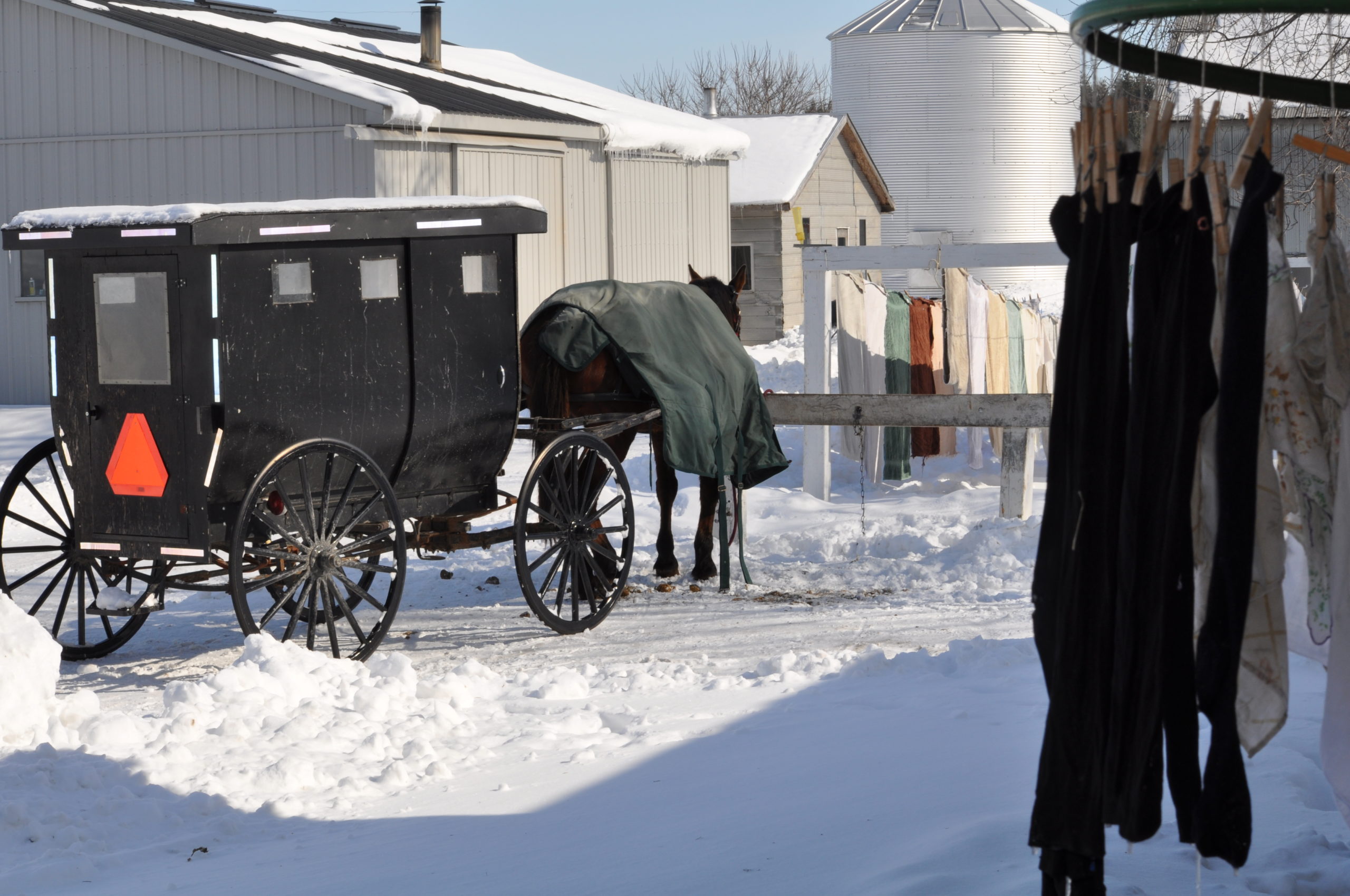
Aylmer occupies a unique and fascinating place in the broader Amish world. The Aylmer settlement is viewed as one of the most "intellectual" Amish communities because it is home to Pathway Publishing, which produces widely-read periodicals including Family Life, Young Companion, and Blackboard Bulletin.
I had the opportunity to visit the Pathway office when I was in town. I was surprised by what a spartan, shoestring operation that it was. There were resemblances to an 18th century print shop, everything being done by hand and manually. There is a historical library of Amish and Mennonite newspaper clippings on the property, making it a vertical research museum. You just won't find any computers to assist you.
Aylmer is also a remarkable cultural melting pot. When visiting Aylmer you'll encounter not just Amish, but also Russian Mennonites and Mexican Mennonites who have returned to settle in Canada — a veritable Plain melting pot unlike anywhere else in North America.
The Aylmer settlement is probably the most open to outsiders of any Amish community in Canada, making it a welcoming starting point for first-time visitors who want to learn without feeling intrusive.
Worth visiting in Aylmer:
- Hope Farm Market — fresh produce, eggs, and seasonal baked goods
- Hope Eco-Farm Store — another family operation worth stopping at
Lucknow and Oxford County (Norwich)
Lucknow is the second-largest Amish settlement in Ontario, while Oxford County near Norwich ranks as the third-largest Amish community in all of Canada. The settlement boasts nine schools and six sawmills. These restless Amish have also planted a number of "daughter communities" throughout Ontario and even to other provinces.
Some other daughter Amish communities in Ontario
- Belleville
- Englehart/Earlton
- Iron Bridge
Glenarm and Lindsay, Ontario

Linsday is a small Amish community near the Kawartha Lakes region, a lush land of lakes and farms north of Toronto. I had the chance to visit there with Jennifer Bain, a writer for the Toronto Star newspaper. Jennifer wrote an article about our visit there. The Amish community is spread out north of the town of Lindsay in what is really considered Glenarm.
This Amish settlement is small, relatively remote, and has an interesting evangelical streak. I remember meeting Amish who had pamphlets as to how to join the church. And they were just, in general, more welcoming to outsiders.
What Makes Ontario's Amish Different?
Because the Amish have a lot of congregational autonomy, there are slight differences between settlements in relation to dress styles and where they draw the line on technology. Some are more isolationist and less willing to accept government allowances, others are more open to outsiders.
Ontario's diversity of Amish types — from the steel-wheeled traditionalists of Milverton to the relatively progressive Aylmer community — means a road trip through southwestern Ontario can feel like visiting half a dozen different Amish worlds in a single day.
Why Did the Amish Come to Ontario?
The years 1953 to 1970 saw the establishment of many new Amish communities across Southern Ontario, all of them immigrants from the US. This wave of immigration was triggered by continuing military conscription in the US, the Vietnam War, and the introduction of social insurance programs that Old Order groups opposed.
But the original Milverton settlers arrived far earlier — directly from Europe in 1824, never passing through Pennsylvania at all. That's what makes their German dialect, surnames, and customs noticeably different from most American Amish communities.
The St. Jacobs Area — A Must-Visit (Even Though It's Mostly Mennonite)

First-time visitors to Ontario's Plain country almost always end up in the St. Jacobs area, and while it's predominantly Old Order Mennonite rather than Amish, it's worth including here because the distinction is genuinely confusing — and the experience is remarkable. St. Jacobs is near Kitchener and Waterloo, two actually pretty large metropolitan areas between London, Ontario and Toronto.
The St. Jacobs Farmers Market at 878 Weber Street North, open year-round on Thursdays and Saturdays from 7am to 3:30pm, is Canada's largest farmers market with over 300 vendors, many of them Old Order Mennonites selling fresh produce, baked goods, and handcrafted items.
Tips for Visiting Amish Communities in Ontario
In addition to Amish settlements and Mennonite settlements, there are also some scattered hybrid communities - Beachy Amish Mennonites - scattered throughout Ontario.
Most of the time when I am visiting Ontario, I cross the border in Windsor and then head of Aylmer and the Kitchener area. But you can design your own itinerary. If you are crossing at Sault. Ste. Marie, for instance, the Amish at Iron Bridge would be worth visiting.
A few basics worth noting:
- Always ask before photographing people
- Support local businesses — farm stands, bakeries, and craft shops
- Remember these are working communities, not tourist attractions
- Sundays are church days — plan visits for other days of the week
Getting There
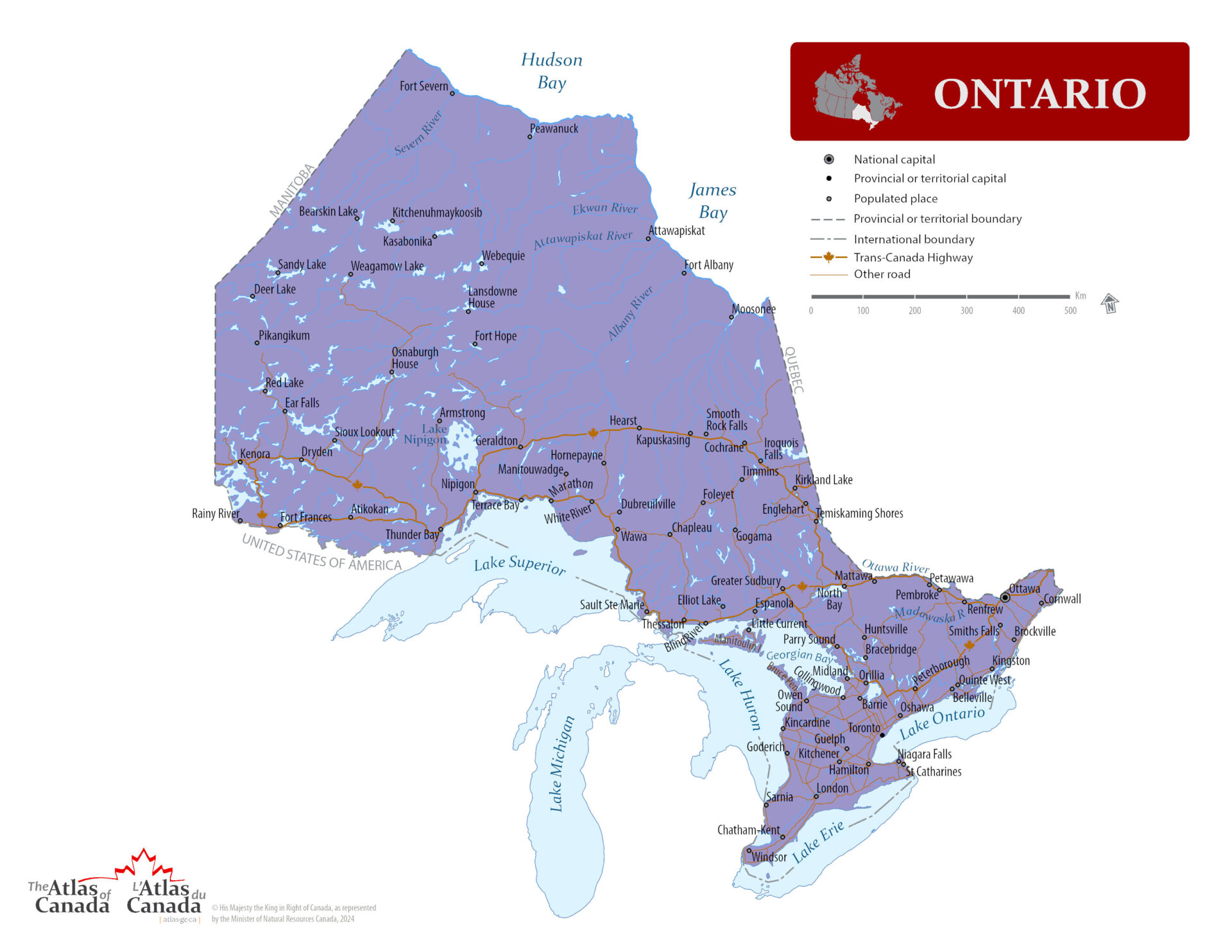
Ontario's Amish country is centered in the southwestern part of the province, easily accessible from Toronto (roughly 1.5-2 hours), and very drivable from border crossings near Detroit, Buffalo, or Niagara Falls for American visitors.
Amish or Mennonite Businesses in Ontario
My favorite Amish businesses are always the "home-based" microbusinesses: entrepreneurs selling eggs, baked goods, or greenhouse plants. That's where you get the most authentic Amish experiences, but those businesses are often tough to keep track of because they come and go.
But here list a list of some more established Amish-owned businesses:
- Quilts Galore – 7026 Route 116, RR#1, Millbank, N0K 1L0
- Country Quilts and Cedar Chests - 4054 Line 67, Millbank, N0K 1L0
- Conestoga Bird Seed 4003 Line 73, R.R.#1, Newton, N0K 1R0
- Kathy’s Dry Goods – Rd 121, Fire # 6376, Poole, N0K 1S0
- Millbank Family Furniture 4082 Waterloo St., Millbank
- Millbank Cheese Factory, 72 Church St., Millbank
- The Orange Barn, 4082 Waterloo Street, Millbank
- Misty Meadows Market - Mennonite bakery - 031006 Grey Rd 14, Conn, ON N0G 1N0, Canada
- Eli and Anna Stutzman Market, 1532 Dayton Road
Iron Bridge, ON
P0R 1H0 Mr. and Mrs. Stutzman are part of the Amish community within the Iron Bridge- Huron Shores community. Mr. and Mrs. Stutzman provide eggs, seasonal fruits and vegetables, honey, maple syrup, preserves and baked goods, quilts and knitting, glider lawn furniture, and tool sheds. Mr. and Mrs. Stutzman can also be found selling their products at the Sowerby Farmers’ Market.
Final Thoughts
Ontario offers one of the most diverse and historically rich Amish experiences in North America — and because it attracts far fewer tourists than Holmes County Ohio or Lancaster Pennsylvania, it retains an authenticity that's increasingly hard to find.




Leave a Reply