




Ohio's tourism marketing slogan is "The Heart of It All" — or at least it was when I was growing up. And that same slogan could be applied to the Amish world. While Lancaster, Pennsylvania captures the historical heart of the Amish — the cradle of Amish culture in American pop culture — Ohio is actually the state with the largest Amish population and the world's largest Amish community. So while Lancaster may be the historical heart of the Amish, Ohio is the sentimental heart.
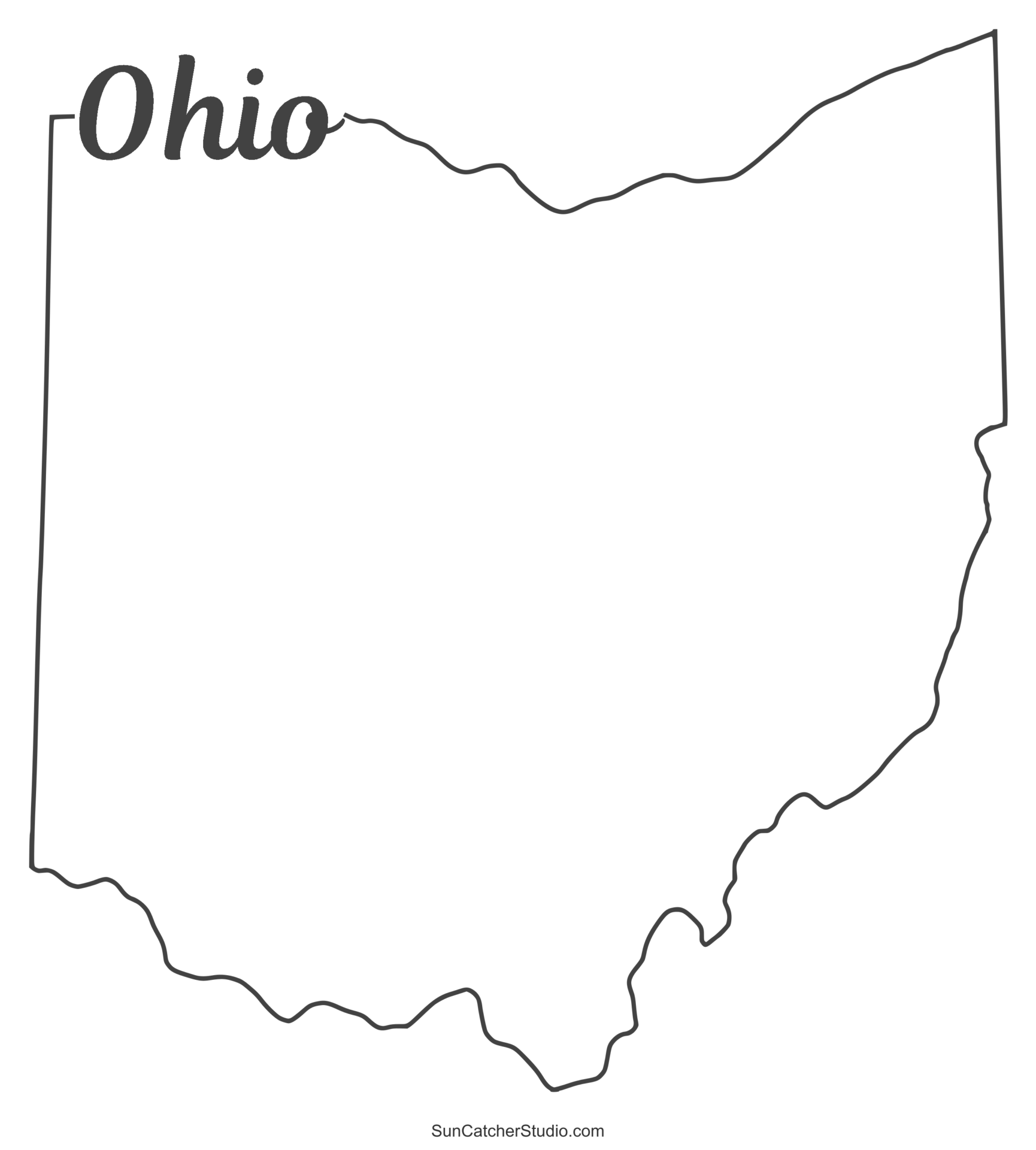
In fact, Holmes County, Ohio is poised to become the first majority-Amish county in the United States — and by extension, the world.
I'll admit upfront: the Ohio guide is sprawling and complicated, far more so than any other state guide I've written. It's ironic that I saved Ohio for last, given that I live here, but there are a lot of moving parts to this page. This page is a work in progress and will be updated regularly as I continue exploring communities I've been visiting for nearly thirty years.
How Many Amish Live in Ohio?
Ohio is home to an estimated 85,000 Amish people spread across 74 individual settlements — more individual communities than any other state in the country. Over half of those settlements — roughly 40 communities — have been founded since 2000, a reflection of a population that is growing, expanding, and constantly planting new daughter communities wherever affordable farmland exists. For instance, there used to be no Amish near me in Southwest Ohio, now I have a community 20 minutes from me in Preble County.
What makes Ohio especially fascinating is the sheer diversity. The Holmes County community alone includes eleven separate Amish affiliations, ranging from the ultra-conservative Swartzentruber Amish who reject rubber tires and slow-moving vehicle triangles, to the progressive New Order Amish who allow in-home telephones. There are so many places in Ohio where you can experience Amish culture — from really touristy destinations to deeply off-the-beaten-path authentic experiences.
Holmes is Where the Heart Is
Let's start with Holmes County — the heart of what I call the Amish Archipelago in Ohio. The Amish Archipelago is a swath of communities stretching from Wayne County in the north down through Knox County in the south. One could easily spend several days exploring this area. What I love about it is that you can have whatever experience you want. You can have an almost "Amish Gatlinburg" feel when you visit touristy Berlin, or you can find a quaint rustic Airbnb and explore back rural roads, following handwritten signs for fresh eggs and homemade honey. Berlin gives you the best of both — touristy fun stuff at your fingertips, with the back roads just minutes away.
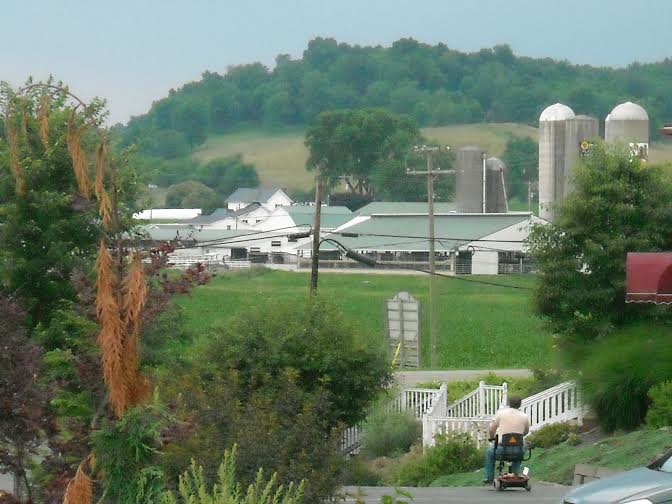
Holmes County has the highest concentration of Amish in any US county — the Amish make up approximately half the county's population. The settlement doesn't stop at county lines either. It stretches into the adjacent Ashland, Coshocton, Stark, Tuscarawas, and Wayne Counties — the full Amish Archipelago.
Key towns within the Holmes County settlement include Berlin, Walnut Creek, Millersburg, Charm, Mt. Hope, and Sugarcreek — which you may recognize as the setting of the new UPtv series Sugarcreek Amish Mysteries, premiering April 2026.
This community, on the surface, appears frozen in time. But look closer and you'll notice a dynamic, organic culture wrestling with its place in an increasingly technological tomorrow. Amish speed over Holmes County hills on ebikes. Smartphones are tucked in the pockets of some. While others — the conservative Swartzentrubers — hold hard to the past, rejecting most new technologies entirely. The tension between tradition and change plays out visibly here in ways you won't see anywhere else.
You'll also find nearby tourism staples like Lehman's Hardware — the legendary non-electric store that has supplied Amish households and back-to-the-land enthusiasts for decades — and sprawling Amish restaurants serving heaping helpings of mashed potatoes, noodles, and pie.
Loudonville, Danville, and Brinkhaven are all smaller Amish-centric towns within the Amish Archipelago worth visiting and exploring if you have extra time.
A Note on Tourism and the Amish
Some people view the tourist places as tacky and an affront to Amish culture. But it's actually more complex than that. The Amish are capitalists through and through. And if those tourist stops weren't there to attract visitors, tourists would come anyway — they'd just be traipsing through flowerbeds and poking around people's barns. The tourist stops serve to herd visitors into contained places.
Tourism requires a delicate balance: the Amish need tourists to come to Amish country to spend money that recirculates through the community. But they don't need people traipsing through their flower beds or loitering around schools.
Worth Visiting in Holmes County
Berlin, Ohio— The commercial heart of Ohio's Amish Country. We recommend using Berlin as your base for exploring the Amish Archipelago. Full guide coming soon.
Walnut Creek — Cheese shops, family restaurants, and a more authentic feel than Berlin. Don't miss the Walnut Creek Cheese shop.
Sugarcreek — The "Little Switzerland of Ohio" and home of The Budget, the weekly Amish and Mennonite correspondence newspaper read throughout the Amish world. Full guide coming soon.
Mt. Hope — Famous for its auction, this is a working community with an authentic feel that rewards visitors who make the detour.
Charm — Small, quiet, and far less touristy than Berlin. If you want to feel like you've actually left the tourist trail, Charm delivers.
Millersburg — The Holmes County seat, with a beautiful Victorian-era downtown and good access to the surrounding Amish communities.
Geauga County — Ohio's Second Largest Amish Settlement
The Geauga County community is the second-largest Amish settlement in Ohio and fourth-largest in all of North America, with 88 church districts and approximately 20,980 Amish residents as of 2024. Founded in 1886 by Amish families making the trek north from Holmes County in search of farmland, Geauga has grown into a substantial community in its own right.
What makes Geauga fundamentally different from Holmes County is the feel. This is a working community rather than a tourist destination. You won't find the gift shops and buggy ride operations of Berlin here. This is Amish life lived largely without an audience — which for some visitors makes it far more interesting than Holmes County's well-worn tourist trail.
[More firsthand Geauga observations coming — this is a community that deserves deeper coverage than most guides give it]
Tuscarawas County
Home to Sugarcreek and Dover, Tuscarawas County sits at the edges of the Holmes County settlement and has its own distinct character. The Budget — the weekly Amish and Mennonite correspondence newspaper distributed throughout Amish communities across the United States — is produced in Sugarcreek. For serious Amish culture enthusiasts, that alone makes Sugarcreek a pilgrimage worth making.
[Full Sugarcreek guide coming soon — particularly timely with the UPtv series premiering April 2026]
Wayne County
Wayne County forms the western edge of the Holmes County settlement and includes some of the most accessible Amish communities for visitors coming from Columbus or Cleveland. This is often the first Amish country many central Ohio residents encounter.
[Expanded Wayne County guide coming soon]
Off the Beaten Path — Ohio's Hidden Amish Communities
This is where Ohio gets really interesting for the serious Amish explorer. Beyond Holmes County and Geauga, Ohio has dozens of smaller settlements that offer something increasingly rare: authentic Amish community life without a tourist in sight.
Adams County — Wheat Ridge Settlement
This was the first Amish community I ever spent time in, and it left a lasting impression. What's striking about it is its rugged beauty — this is where the flat cornfield-filled plains of Ohio meet the hills and hollows at the edge of Appalachia. The Amish first moved here from Delaware in the 1970s and have added enormously to the community. There are numerous home-based Amish businesses to explore and a couple of Amish-owned bakeries. Definitely worth the trip for anyone who wants to experience Amish country without the Holmes County crowds.
I consider the Wheat Ridge Amish some of the most "typical" and conventional Old Order Amish you'll find anywhere — a good starting point for first-time visitors who want an unvarnished look at traditional Amish life.
Highland County — Hillsboro
This Amish community didn't even exist when I first started studying Amish culture in the early 1990s. But the Amish have moved here in large numbers over the past twenty years and there are now numerous communities to explore, home-based businesses, and Amish school auctions that offer a genuine window into community life.
This is an old Amish community that flies completely under the radar. It doesn't attract the tourism attention that Holmes County does — but that's exactly why I love it. This is one of my favorite Ohio Amish communities because of its remarkable shop culture. Local maps are available showing the location of Amish home-based businesses, and they are plentiful. Identifiable by their unique white signs outside homes, you can find everything here from homemade candy to toy shops, greenhouses, and more. One could easily spend a whole day in Hardin County just exploring. Don't forget to stop at Mary's Bake Shop.
Other smaller Ohio settlements worth knowing:
- Mechanicsburg — small central Ohio community
- Jamestown/Xenia area — closer to Dayton than most people realize
- Guernsey County — eastern Ohio, off the tourist trail entirely
The Different Types of Plain People in Ohio — A Cheat Sheet
This is what makes Ohio uniquely complex. During the 1900s, the Holmes County community experienced multiple schisms into over thirty different groups. But there are also other Plain groups in Ohio — some also using horse and buggy — which can make things dramatically more confusing for first-time visitors. Here's your cheat sheet:
Swartzentruber Amish — The most conservative group. No rubber tires, no slow-moving vehicle triangles, no indoor plumbing in many homes. You'll recognize their buggies by the absence of the orange triangle. Many Swartzentrubers are found in Knox County, Ohio, but you'll also find them outside Sinking Spring in Ross County.
Old Order Amish — The largest group and what most people picture when they think "Amish." Conventional, traditional, the baseline. I consider the Wheat Ridge Amish in Adams County some of the most typical Old Order Amish you'll find anywhere.
Andy Weaver Amish — A middle group that split from Old Order in the 1950s. More liberal regarding some practices but stricter on youth standards.
New Order Amish — The most progressive of the traditional horse-and-buggy groups, allowing in-home telephones and sometimes electricity for business use. Still use horse and buggy for transportation.
New New Order — Found near Walhonding, Ohio. This group allows electric, phones, and limited computer use, but still dresses plainly and uses horse and buggy. A fascinating transitional community.
Old Order Mennonites — Found near Frankfort, Bainbridge, and Georgetown. These Mennonites use horse and buggy and live plainly — often confused with Amish by visitors but from a distinct tradition.
Old Order German Baptist Brethren — From a completely different theological tradition than the Amish and Mennonites, but sharing similarities in plain dress and horse-and-buggy transportation. Found near Bradford, Ohio.
Old German Baptist Brethren: The German Baptists dress plainly, but drive cars. Several German Baptist-owned businesses can be found around the state.
Tips for Visiting Ohio Amish Communities
- Sundays are church days — plan visits for other days. Also do your research: many Amish settlements close businesses one day during the week, often Wednesdays or Thursdays, but it varies from community to community.
- Always ask before photographing people — this is non-negotiable and reflects basic respect for the community.
- Support Amish businesses directly — roadside stands, bakeries, farm stores. This is where your money actually reaches the community.
- The back roads are where the authentic experiences happen — not the main tourist strips. Rent a bike in Berlin or just drive slowly with your windows down.
- Bring cash — many Amish businesses don't take cards.
Getting There
Ohio's main Amish country is centered in the northeastern part of the state, roughly between Cleveland, Columbus, and Pittsburgh. Holmes County is about 80 miles south of Cleveland and 90 miles northeast of Columbus, making it a reasonable day trip from either city.
My personal favorite approach from Columbus is US Route 62 — it feels good to skip the highway and ease into Amish country gradually. You start seeing buggies and hand-painted signs well before you reach Berlin, and that transition is part of the experience.
Ohio isn't just the largest concentration of Amish in America — it's the most complex, most diverse, and most fascinating. After nearly thirty years of visits I still find new things to discover. This guide will grow as I continue exploring. Check back for dedicated pages on Berlin, Sugarcreek, Geauga County, and more.





Leave a Reply