





It's remarkable that Mio has been home to Amish communities for over 120 years, with a fascinating story of decline and renewal. I find the history of this northern Michigan settlement particularly intriguing - it's one of the few places where Amish successfully returned to re-establish a community after the original settlement had completely disappeared. The present-day Mio community was founded in 1970, but Amish had previously lived here for over half a century, from 1900 to 1954.
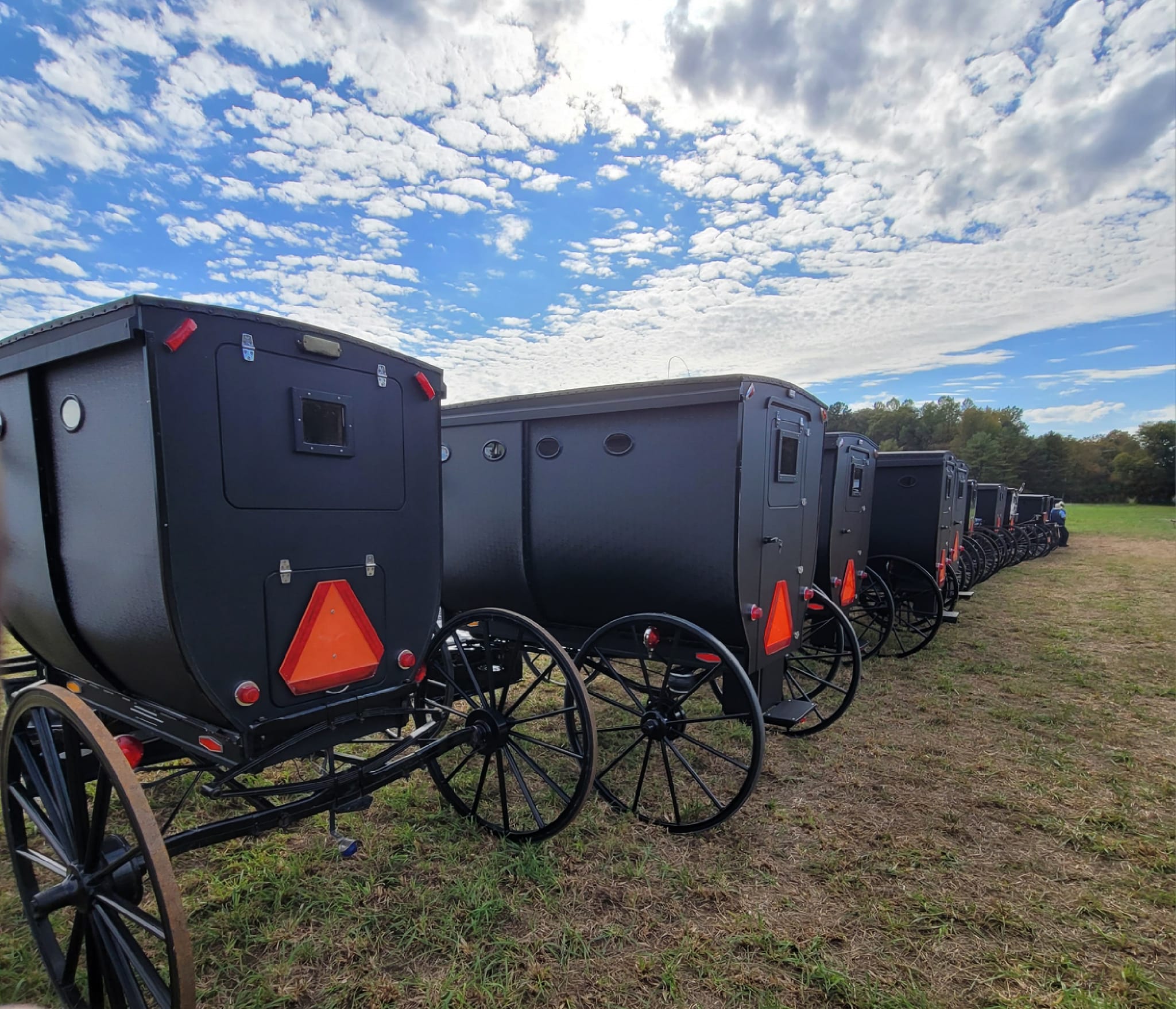
Among Michigan's 50+ Amish settlements, Mio enjoys a unique position as both one of the state's older communities and the birthplace of an important Amish reform movement. The current Amish didn't arrive in Oscoda County until 1970, when families from Geauga County, Ohio, came seeking affordable land and rural tranquility in Michigan's north woods. What makes Mio special is its combination of traditional Amish values with the rugged beauty of northern Michigan's forests and lakes, plus its role as the source of the "Michigan Circle" Amish churches. This community of four church districts has grown steadily to around 585 individuals, making it Michigan's fourth-oldest active Amish community.
Mio is located in north-central Michigan's Oscoda County, about 2.5 hours north of Grand Rapids and an hour west of Lake Huron. The heart of the Amish community spreads throughout the rural countryside around the town of Mio, particularly concentrated along Kittle Road where many businesses operate. When visiting, you'll enjoy exploring the forest roads that wind past Amish farms carved from the timberland. The best way to experience Mio's Amish community is to drive slowly through the countryside and visit the various businesses that welcome visitors, especially along the Kittle Road corridor.
❓ What makes Mio's Amish community unique?
The original Mio Amish community was founded in 1900 by Amish from Geauga County, Ohio, who saw opportunity in the formerly wooded Oscoda County land left by the logging industry. According to historian David Luthy, "Few, if any settlements grew as rapidly as did the one in Oscoda County" because "local land agents attracted both Old Order Amish and more progressive Amish-Mennonites" to a region with land available for $2-5 per acre.
As Mio is located in the upper latitudes of Michigan, the settlement's farmers dealt with a shorter growing season. However, Amish settlers saw positives in the extreme winters. The Mio Amish "preferred this to the constant thawing as was the case in more southern parts of the state. They felt their winter was healthier and nicer, and they enjoyed using a sleigh instead of a buggy."
The original community went extinct in 1954, but sixteen years later, a new group of Amish would settle here, coincidentally also from Geauga County, Ohio, later joined by families from northern Indiana. This present-day community has become notable as the source of the "Michigan Circle" Amish churches, a reformist movement that began in the 1980s and has grown to include nearly three dozen communities within Michigan and other states.
🏪 Amish Businesses to Visit in Mio
The Mio Amish community offers visitors numerous opportunities to experience authentic northern Michigan Plain culture through their businesses. As you can see from local maps, there are quite a few Amish businesses concentrated in the area of Kittle Road:
Country Corner Bulk Foods is one of the community's anchor businesses and represents the type of store that's essential to Amish life. This bulk food store offers a wide selection of baking supplies, snacks, canned goods, honey, jams, and traditional Amish specialties. The store features the standard setup and feel of an authentic Amish foods store, with reasonable prices that attract both Amish families and English neighbors.
The Farmers' Creamery, located at 50 West Kittle Road, is a completely Amish-owned and operated facility offering 100% grass-fed cream, milk, butter, ice cream, yogurt, and eggnog, as well as a market and bakery on-site. You can contact Nathan Hochstetler at 989-826-8368 or via email at [email protected] for more information. Recent studies have shown that milk from grass-fed cows has more conjugated linoleic acid (CLA) than conventional milk, linked to protection from various health conditions.
Various Kittle Road Businesses - The Kittle Road area serves as the community's business corridor, with multiple Amish enterprises operating along this rural route. The concentration of businesses makes this an ideal area for visitors to experience authentic Amish commerce and culture.
Furniture and Woodworking Shops - Like many Amish communities, Mio features skilled craftsmen creating handmade furniture and wooden goods using traditional techniques.
Seasonal Produce and Farm Stands - Many families operate small enterprises from their farms, offering fresh vegetables, preserves, and other agricultural products during growing season.
Greenhouse Operations - Several Amish families operate greenhouses providing plants, flowers, and vegetable starts for both the Amish community and local English customers.
🎪 Northern Michigan Outdoor Experiences
One of the highlights of visiting Mio is experiencing Amish culture within Michigan's beautiful north woods setting:
Forest and Lake Scenery - The contrast between traditional Amish life and northern Michigan's forests and lakes creates a unique cultural landscape unlike most other Amish communities.
Kirtland's Warbler Habitat - Mio is famous for the endangered Kirtland's warbler, and the annual Kirtland's Warbler Festival offers opportunities to combine birding with cultural exploration.
Michigan Shore to Shore Trail - This 500-mile interconnected trail system passes through Mio, offering hiking and riding opportunities through Amish country.
Winter Activities - Following the example of the original Mio Amish who "enjoyed using a sleigh instead of a buggy," winter visits offer unique opportunities to see traditional transportation adapted to northern conditions.
Au Sable River - The nearby Au Sable River system provides canoeing and fishing opportunities in scenic areas near Amish farms.
🚗 Getting There and Visitor Information
Mio is located in northern Michigan, requiring a bit more travel than southern Michigan communities but offering a unique north woods experience:
From Grand Rapids: Take US-131 north to Highway M-55 east to Mio (about 2.5 hours) From Detroit: Take I-75 north to M-55 west to Mio (about 3 hours) From Traverse City: Take US-131 south to M-55 east to Mio (about 2 hours)
Driving Tips:
- Be extremely cautious for horse-drawn vehicles on forest roads
- The shorter growing season means peak business activity runs from late spring through early fall
- Forest roads can be winding - drive slowly and enjoy the scenery
- Bring cash for Amish businesses, which typically don't accept credit cards
Best Times to Visit: Late spring through early fall offers the best weather and business activity. Summer provides warm weather perfect for exploring, while early fall brings spectacular northern Michigan colors. Winter visits are possible but require careful attention to weather conditions.
Seasonal Considerations: The shorter growing season means that many agricultural businesses are most active from May through September. The Farmers' Creamery and bulk food stores operate year-round, making them reliable stops during any season.
Visitor Etiquette: Remember that this is a working rural community adapting to northern Michigan's challenging climate. Be respectful when visiting businesses, don't interrupt daily activities, and appreciate the opportunity to see how Amish families have successfully established themselves in Michigan's north country.
Historical Context: Visitors interested in local history can appreciate how the current community has built upon the legacy of the original 1900-1954 settlement. The success of the present-day community, after the complete extinction of the original one, demonstrates the resilience and adaptability of Amish culture.
The Mio Amish community represents a fascinating story of renewal and adaptation in northern Michigan's challenging but beautiful environment. Whether you're interested in bulk foods and farm-fresh dairy products, the unique "Michigan Circle" church movement, or simply experiencing how Amish families have thrived in the north woods, Mio offers an authentic glimpse into a remarkable Plain community that has successfully established itself far from traditional Amish population centers.





Leave a Reply