






What happens when cameras follow former Amish individuals as they navigate the "English" world? TLC's "Return to Amish" has captivated audiences for years, but how much of what we see reflects the real Amish experience?
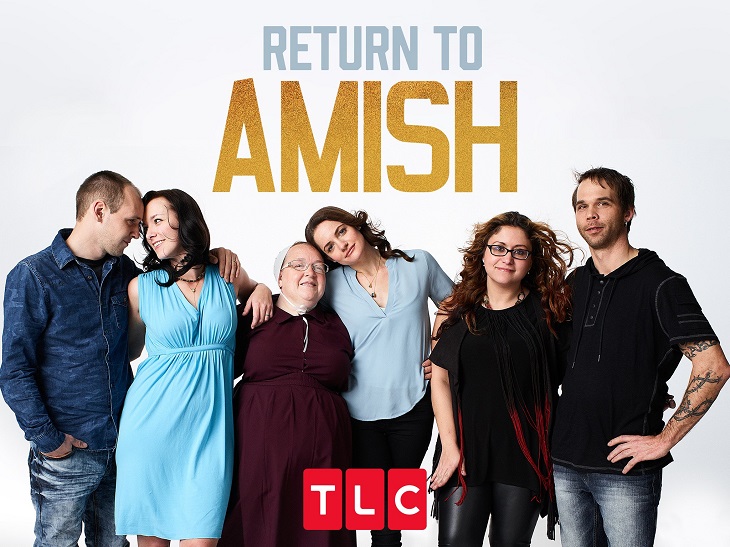
What is Return to Amish?
"Return to Amish" is a TLC reality television series that premiered in 2014 as a spin-off of "Breaking Amish." The show follows individuals who have left their Amish communities as they attempt to build new lives in the outside world, often called the "English" world by the Amish.
Unlike scripted dramas, the show claims to document real people facing genuine challenges as they adapt to modern technology, different social norms, and the freedom—and responsibility—that comes with leaving their traditional communities.
The Main Cast Members Over the Years
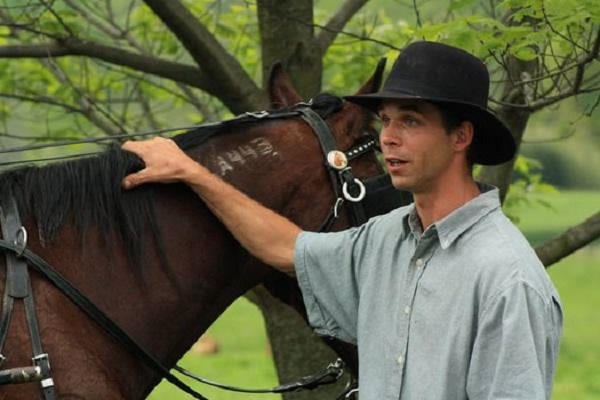
Jeremiah Raber has been one of the most prominent figures throughout the series. Born into an Amish family in Ohio, Jeremiah left the community as a young adult and has struggled with the transition ever since. His journey on the show has included everything from relationship drama to attempts at reconnecting with his Amish roots.
Rebecca Byler joined the series after leaving her Amish community in Pennsylvania. Her story particularly resonated with viewers as she navigated raising children while adapting to modern life.
Sabrina Burkholder has faced numerous personal challenges on the show, including battles with addiction and legal troubles, making her one of the more controversial cast members.
Mary Schmucker brought a different perspective as someone who chose to return to the Amish community after experiencing life outside it.
Reality TV vs. Authentic Amish Life
While "Return to Amish" provides entertainment, it's important to understand that the show represents a very specific subset of experiences. The vast majority of Amish individuals who choose to leave their communities do so quietly, without cameras documenting every moment.
What the Show Gets Right:
- The genuine emotional struggle of leaving a tight-knit community
- The difficulty of adapting to modern technology and social norms
- The challenge of maintaining family relationships after leaving
- The reality that some individuals do choose to return to their communities
What Viewers Should Keep in Mind:
- Reality TV editing can dramatize situations for entertainment value
- Not all former Amish individuals experience such turbulent transitions
- The show focuses on conflict and drama, which may not represent typical experiences
- Many Amish communities and individuals prefer privacy over publicity
The Real Challenges of Leaving an Amish Community
Those who leave Amish communities—whether featured on reality TV or not—often face genuine challenges:
Educational Gaps: Most Amish children receive education only through eighth grade, focusing on practical skills rather than academic subjects. This can make adapting to the modern workforce challenging.
Technology Learning Curve: Simple tasks like using a smartphone, navigating the internet, or even driving a car require significant learning for someone raised without these technologies.
Social Integration: The social norms, communication styles, and cultural references of mainstream American society can feel foreign to someone raised in a traditional Amish community.
Family Relationships: Perhaps the most difficult aspect is the potential strain on family relationships. Some Amish communities practice shunning (Meidung), which can cut off contact with family members who leave.
Financial Independence: Learning to navigate banking, credit, taxes, and modern financial systems presents a steep learning curve.
Traditional Amish Values Worth Preserving
While "Return to Amish" often focuses on the difficulties of leaving the community, it's worth remembering the positive aspects of traditional Amish life that many find valuable:
Strong Community Bonds: Amish communities provide extensive mutual support during times of need, from barn raisings to helping families during illness or financial hardship.
Simple Living: The emphasis on living simply, avoiding excessive materialism, and focusing on family and faith resonates with many people seeking meaning in an increasingly complex world.
Self-Sufficiency: Traditional skills like gardening, food preservation, woodworking, and other crafts promote independence and connection to the land.
Family Focus: The priority placed on family relationships and spending time together offers an alternative to the busy, individualistic lifestyle common in mainstream American society.
Recipes and Food Culture Featured on the Show
One authentic aspect often showcased on "Return to Amish" is the traditional food culture. Amish cooking emphasizes hearty, from-scratch meals using seasonal ingredients. Some recipes that have appeared on the show or reflect similar traditions include:
- Whoopie Pies: These cake-like sandwich cookies with cream filling are a Pennsylvania Dutch favorite
- Shoofly Pie: A molasses-based pie that's become synonymous with Amish baking
- Chicken and Dumplings: A comfort food staple perfect for family gatherings
- Fresh Bread: Daily bread baking remains a cornerstone of traditional Amish kitchens
- Canned Vegetables: Preserving the harvest for winter consumption
The show often depicts cast members cooking these traditional foods, sometimes as a way to maintain connection to their heritage.
Where Are They Now?
The cast members of "Return to Amish" have taken various paths since appearing on the show. Some have successfully integrated into mainstream society, while others continue to struggle with the transition. A few have actually returned to their Amish roots, either temporarily or permanently.
Current Updates (as of recent seasons):
- Several cast members have started families and appear to be building stable lives
- Others continue to face legal and personal challenges
- Some have used their television exposure to launch business ventures
- The show has evolved to include second-generation cast members—children of the original participants
The Broader Impact on Amish Communities
The popularity of "Return to Amish" and similar shows has had mixed effects on Amish communities themselves. While most Amish individuals prefer to avoid media attention, the shows have:
Positive Effects:
- Increased understanding of Amish culture and values among mainstream audiences
- Sparked interest in traditional crafts, simple living, and self-sufficiency
- Generated tourism revenue for areas with Amish populations
Concerns:
- Some feel the shows misrepresent Amish life and values
- Increased tourism can disrupt the privacy that Amish communities value
- The focus on individuals who left may not accurately represent those who choose to stay
Lessons for All of Us
Whether you've watched "Return to Amish" for entertainment or out of genuine curiosity about Amish life, there are valuable lessons to consider:
The Importance of Community: The show highlights how vital community support systems are for human wellbeing, something many people in modern society struggle to find.
Technology Balance: Watching cast members navigate technology overload might inspire viewers to consider their own relationship with devices and social media.
Family Relationships: The family conflicts and reconciliations depicted remind us of the importance of maintaining strong family bonds despite differences.
Cultural Respect: The show can serve as a reminder to approach different cultures and lifestyles with respect and understanding rather than judgment.
Looking Forward
"Return to Amish" continues to evolve, introducing new cast members and following the ongoing stories of longtime participants. While it's important to view reality TV with a critical eye, the show does offer glimpses into the very real challenges faced by individuals caught between two very different worlds.
For viewers interested in learning more about authentic Amish life, culture, and traditions, the show can serve as a starting point for deeper exploration—but it should be balanced with other resources that provide a more comprehensive view of Amish communities and their rich heritage.
The stories of those who choose to leave Amish communities, whether featured on television or not, remind us that the journey between traditional and modern ways of life is complex, personal, and deserving of our understanding and respect.
Have you watched "Return to Amish"? What aspects of the show have made you most curious about traditional Amish life and culture? Share your thoughts in the comments below.



Leave a Reply