





Ah, the age old question: Why don't Amish dolls have faces? Well, the answer isn't what most of you are probably thinking, but I've seen it enough first-hand that I think I have a pretty good grasp of this topic.
Why Don't Amish Dolls Have Faces? The Truth May Surprise You
Here's what most people get wrong about Amish dolls: the vast majority of Amish children play with dolls that have faces. The faceless Amish doll is largely a tourist creation, not an authentic Amish tradition.
I've spent nearly thirty years visiting Amish communities across the country, and I can tell you that even in fairly conservative settlements, dolls with faces are the norm. I know this not just from observation but from the source: an Amish dollmaker I visited in Switzerland County, Indiana who has been making both kinds for decades.
What an Amish Dollmaker Told Me
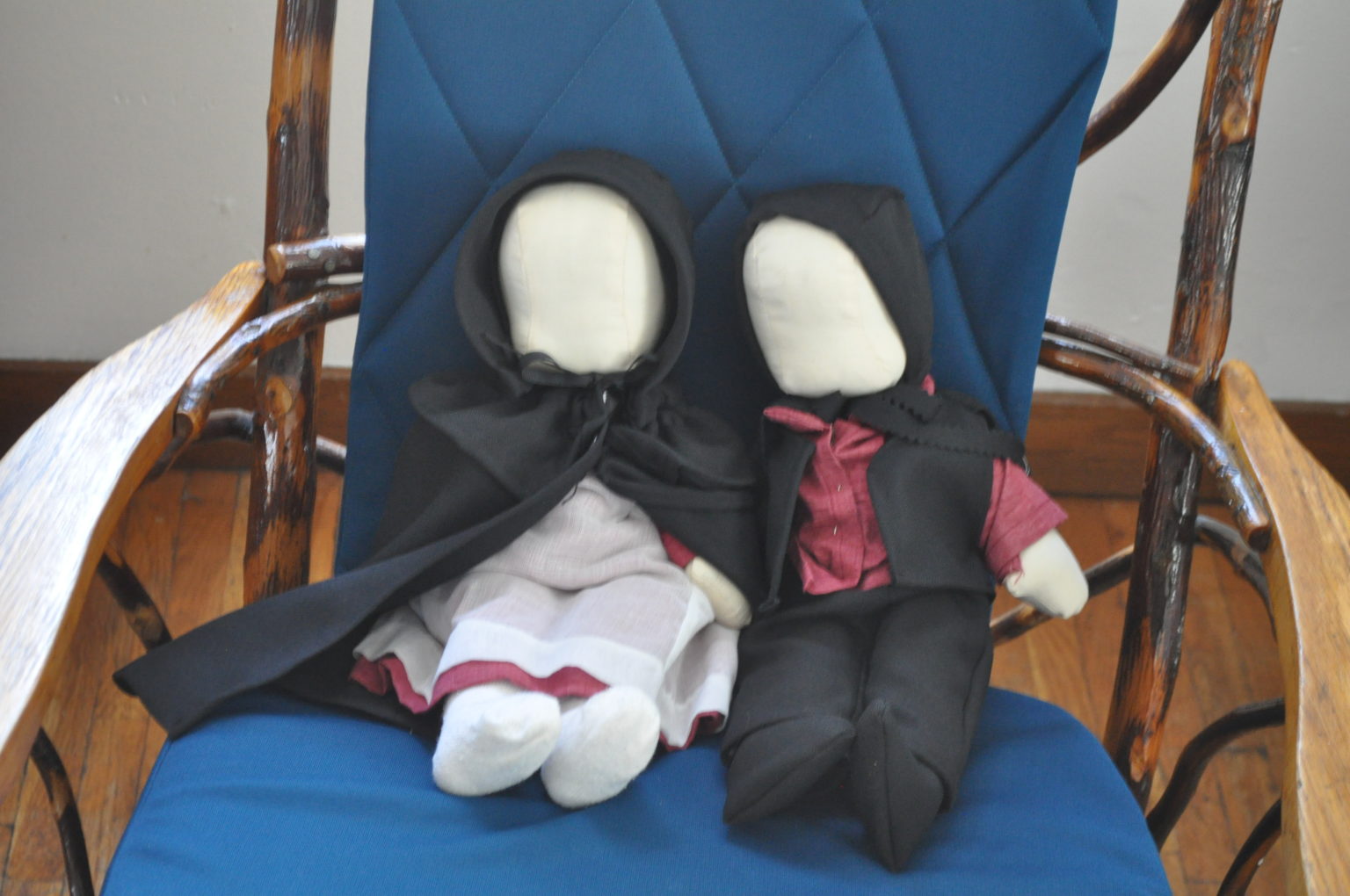
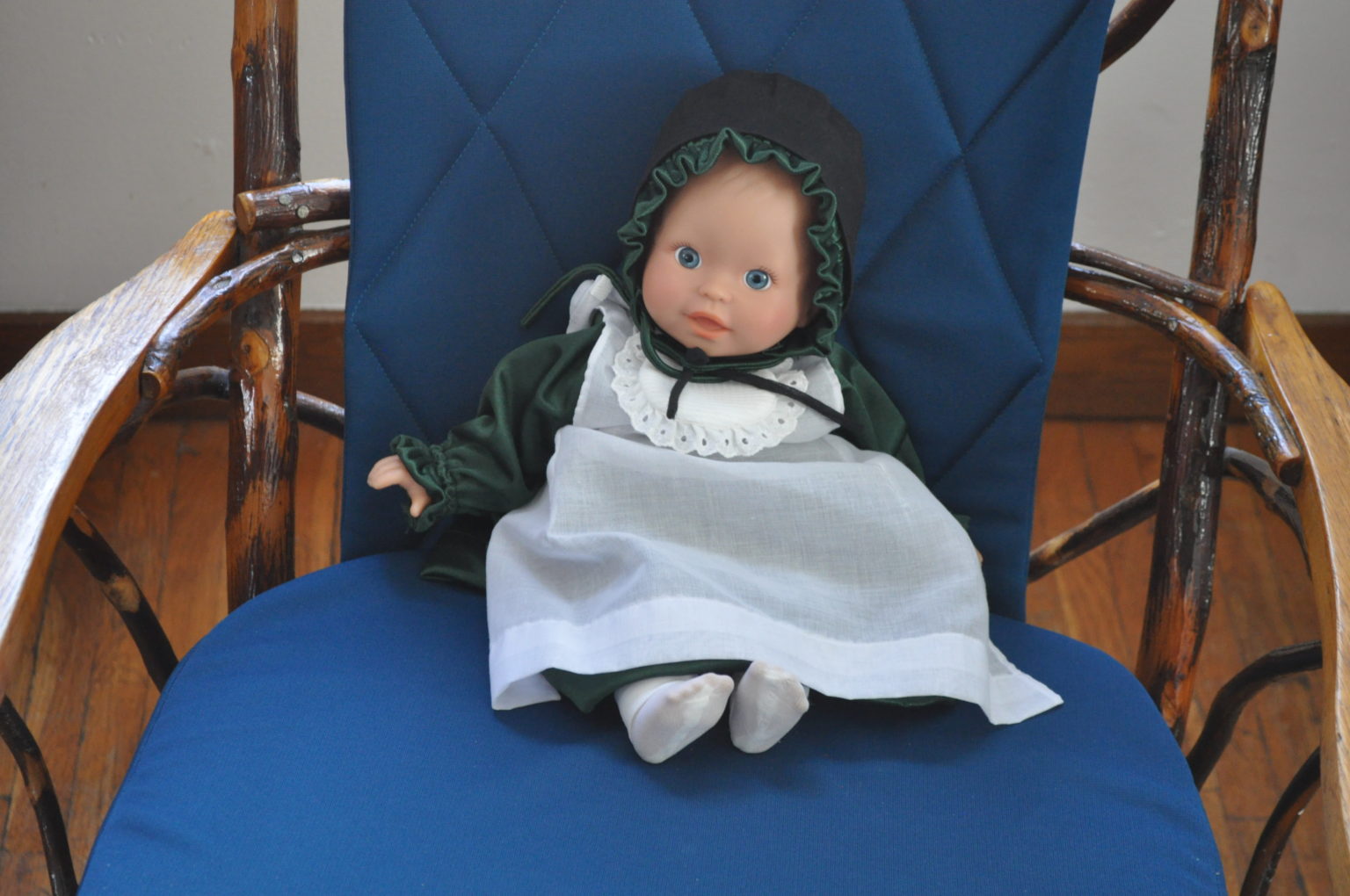
A few years ago I stopped at the home of a dollmaker in an Indiana Amish settlement, a woman nearly 80 years old who learned the craft from her mother. She makes two kinds of dolls: a fully handmade cloth doll with no face, and a doll with a vinyl pre-made head that she sews intricate clothing for. Both are amazing in their craftsmanship. Each takes a full day or more to complete.
"The clothing is the most difficult," she told me.
She didn't want her name used, and she thought better of selling online — she was worried some in her community might not approve. But she shared something that has stuck with me ever since.
"The doll with the face sells a lot better among the Amish," she said, with a chuckle.
That one sentence, from someone who has spent a lifetime making both kinds, tells you most of what you need to know. The Amish faceless doll is the preferred one among the Amish.
So Where Did the Faceless Doll Come From?
The faceless doll has become part of the pop cultural shorthand for Amish life, right alongside buggies and shoofly pie , but its identity as an Amish symbol has more to do with tourist expectations than Amish theology.
There is a deeply rooted Biblical basis within Amish tradition for prohibiting photographs of people, a concern rooted in humility and the prohibition against graven images, but that doctrine has broad interpretation even among the Amish themselves, and it doesn't extend to doll faces. There is no theological grounding, as far as I've ever been able to determine after thirty years in these communities, for leaving a doll faceless.
The faceless dolls sold in Amish country gift shops have been there for decades, and tourists reasonably assume that what's sold in Amish country reflects authentic Amish culture. The image is also visually distinctive and memorable. And the explanation that circulates that "the Amish believe a face gives a doll a soul" makes for a compelling story, even if it doesn't have solid grounding in actual Amish belief or practice.
Do Any Amish Groups Avoid Faced Dolls?
Even among the most conservative Amish groups I've not seen a connection to faceless dolls. Commercially sold toys are not as common in those groups for a variety of reasons (often more economic than ideological) so a homemade "rag doll" without a face (more to save labor/time) may be something seen.
For mainstream Old Order Amish — the communities most visitors encounter in Holmes County, Ohio, Lancaster County, Pennsylvania, and similar settlements — the faced doll is completely ordinary.
Why Do Tourists Buy the Faceless Version?
This is actually the more interesting question. A tourist who buys a faceless doll is taking home something meaningful to them a representation of a culture they find compelling and a little mysterious. The faceless doll works as a symbol even if it isn't quite what people think it is.
The Amish dollmaker I visited in Indiana understood this perfectly. She makes both kinds because there's a market for both kinds. Her Amish neighbors buy the faced dolls. Non-Amish visitors buy the faceless ones. She didn't seem to find this ironic. It just made practical sense.
Personally, I found myself drawn to the faceless dolls too, not for any theological reason, but because they're 100 percent handmade and the craftsmanship is extraordinary. The attention to detail in the stitching, the clothing patterns passed down from her mother, there's something in that kind of object that a vinyl face can't quite match.
But that's aesthetics, not theology. And the distinction matters.
Frequently Asked Questions
Why don't Amish dolls have faces? The short answer is that most Amish dolls actually do have faces. The faceless doll is primarily a tourist souvenir rather than a reflection of Amish religious practice. There is no Amish theological prohibition against doll faces.
Is there a religious reason Amish dolls are faceless? Not a well-established one. Some connect it to the Amish prohibition against photographs, which is rooted in humility and concerns about vanity. But that prohibition applies to photographs of people, not to toy dolls, and even the photography prohibition varies widely across different Amish communities.
Do Amish children play with faceless dolls? Most Amish children play with dolls that have faces. An Amish dollmaker I interviewed confirmed that her Amish customers consistently prefer the faced dolls over the faceless ones.
Where can I buy an authentic Amish handmade doll? Amish country gift shops in Holmes County, Ohio and Lancaster County, Pennsylvania carry handmade dolls, both faced and faceless. Craft fairs in Amish settlements are another good source. The dollmaker I visited in Indiana declined to sell online, which is not uncommon — many Amish craftspeople prefer direct, in-person transactions.
What makes Amish handmade dolls special? The craftsmanship. A skilled Amish dollmaker may spend a full day or more on a single doll, using patterns passed down through generations. The clothing especially — tiny stitched garments made to reflect actual Amish dress — represents a level of handwork that's increasingly rare.



Missy
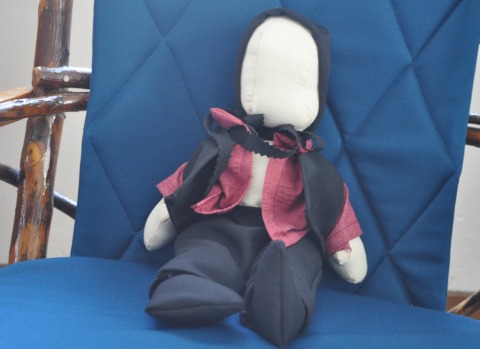
The body is a simple rag doll same as the Amish ones. Basically only the clothing is different.
Carole
I had a faceless doll many years ago when I was a first grader. My dad went to Minnesota for a job interview and brought back gifts. Mine was this doll. I took it to school to show everyone and it drew a lot of attention, especially from my teacher. She wanted everyone in that school to see it. It was a real novelty as no one had ever seen such a thing (down south).