




Canada may not be the first place that comes to mind when you think of the Amish, but our neighbors to the north have actually been home to thriving Amish communities for over 200 years! The Milverton settlement - which I have not been to - celebrated its bicentennial in 2024, making it one of the oldest Amish communities in North America.
I have visited the Amish communities in Lindsay, Ontario and Aylmer, Ontario and some Mennonite areas. When I was first studying the Amish and getting interested in learning more about them, I always heard that Canada's Amish hub was around Kitchener-Waterloo, but that turned out to be inaccurate. Kitchener is mainly Mennonites.
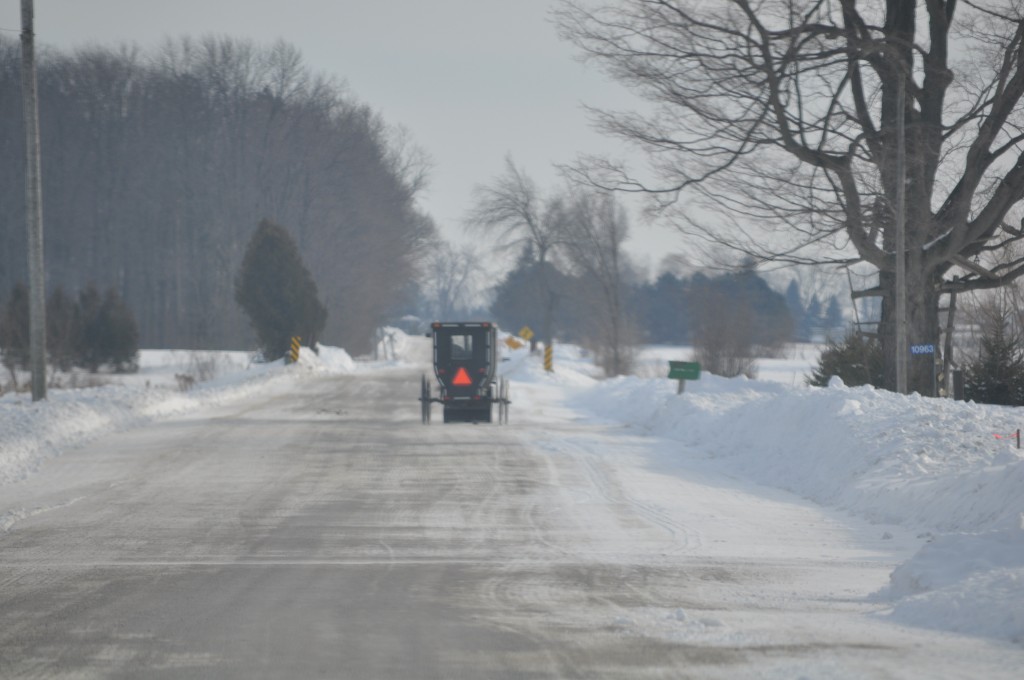
Today, the Canadian Amish population exceeds 6,000 people, living in 20 different communities. What's fascinating is that for many years, Ontario was the only province in Canada where Amish lived. But in the past decade, small settlements have been established in New Brunswick and Prince Edward Island. And some halting attempts have been made to settle in places like Manitoba and points west.
The Canadian Amish run the gamut from very traditional communities like Milverton with their steel-rimmed buggy wheels and open buggies without tops, to more progressive settlements like Aylmer that are probably the most open to outsiders.
But here's what makes Canada's Plain community truly special - it's not just about the Amish! Canada is also home to the largest population of Old Order Mennonites in the world, centered around Kitchener-Waterloo. Together, these communities create one of the most vibrant Plain populations anywhere. For instance, when I was in Alymer, there were plenty of Amish, but also I heard of a lot of Russian Mennonites and Mexican Mennonites. So there is a veritable "Mennonite melting pot" in the area.
❤️ Why Does Canada Appeal To Plain Communities?
There are several compelling reasons for both Amish and Mennonites to be attracted to Canada:
- Affordable Land: This is the big one! Land prices in Ontario are $15,000 to $20,000 per acre, which is unaffordable for a mixed-use farm operation. In P.E.I., farmland goes for $1,500 to $2,500 an acre. That's a game-changer for young Plain families.
- Government Cooperation: Canada has shown remarkable flexibility in accommodating Plain community needs, even changing the School Act to smooth the way for Amish education in Prince Edward Island.
- Peaceful Rural Life: Canada's rural areas offer the isolation and traditional farming lifestyle these communities seek, without the pressures of modern development.
- Religious Freedom: Canada's long tradition of religious tolerance has created a welcoming environment for Plain communities to thrive.
🗺️ Where are The Plain Communities in Canada?
Ontario - The Heart of Canadian Plain Life
The Kitchener-Waterloo Old Order Mennonites
Before we dive into the Amish communities, let's revisit Kitchener. The Kitchener-Waterloo area is home to Canada's largest Plain population, and it's not Amish - it's Old Order Mennonites.
The Numbers Tell the Story
The Ontario Old Order Mennonite Conference has grown from 1,061 members in 1957 to over 6,800 individuals by 2018, making it one of the largest horse-and-buggy communities in the world. They're organized into 36 congregations spread across Wellington County and the Waterloo Region.
What Makes Them Special
These aren't your typical Mennonites. Formed in 1889 as a reaction to modernizing trends, they use horse and buggy for transportation, speak Pennsylvania German at home, and maintain a traditional lifestyle that's quite similar to the Amish. They're sometimes called "Woolwichers" because their founding bishop, Abraham Weber Martin, resided in Woolwich, Ontario.
Where You'll See Them
If you're visiting the Kitchener-Waterloo area, you'll definitely encounter Old Order Mennonites. They're frequently seen on King Street selling homegrown products like maple syrup and summer sausage, and many businesses like Home Depot provide covered parking for their buggies. You'll see them shopping at garage sales in neighborhoods like Laurelwood, and their farms are still owned and run (at least on the surface) the way they were 200 years ago.
The Famous St. Jacobs Farmers Market
This is where Plain culture and tourism intersect beautifully. The St. Jacobs Farmers Market is Canada's largest year-round farmers market, drawing over 1 million visitors annually. It's located in the heart of Old Order Mennonite country, and you'll regularly see farmers traveling to the market by horse and buggy.
The market features over 300 vendors selling everything from fresh produce to handcrafted goods, with many Old Order Mennonite farmers offering their delicious baked goods, meats, cheeses, maple syrup, and fresh produce. The famous apple fritters alone are worth the trip!
The Amish Communities
Milverton (Perth County)
Canada's largest Amish settlement is found in Perth County, near the communities of Milverton and Millbank. The Milverton Amish settlement was founded in 1824 and is also the oldest in Canada, with approximately 1,360 people in 11 church districts.
What makes Milverton unique? The family names found in this settlement include Kuepfer, Albrecht, Jantzi, and Streicher - names that are rare elsewhere across Amish North America. This is because these families came directly from Europe, not through Pennsylvania Dutch communities.
The Milverton Amish are quite traditional. They also do not use covered buggies, and their buggy wheels have steel rims. Since the mid-1990s, the Milverton settlement has held an Amish School Auction, open to the public and including items such as furniture, tools, animals and food. The 2012 edition drew an estimated 10,000 people.
Aylmer (Elgin County)
Founded in 1953, Aylmer is the second-oldest Amish settlement in Canada, and its fourth-largest, at 675 people. But don't let the smaller size fool you - this community punches above its weight.

The Aylmer Amish settlement is viewed as one of the most "intellectual" because it's home to Pathway Publishing House which has been putting out three monthly publications: Family Life for families; Young Companion for young adults; and Blackboard Bulletin for teachers. These are widely read by Amish and traditionalist Mennonites throughout the U.S. and Canada. I had the opportunity to visit the offices of Pathway Publishing when I was in Aylmer and it definitely is a very shoestring, retro operation, but they still manage to get their materials out to the world.
This community is also known for being probably the most open to outsiders, making it an interesting place to visit if you're curious about Amish life.
Other Ontario Communities:

- Lucknow (Bruce County): The second-largest Amish settlement in Ontario
- Norwich (Oxford County): The third-largest Amish community in Canada
- Lindsay: A daughter community of Aylmer
- Additional smaller settlements throughout southern Ontario
Beyond Ontario - New Frontiers
Prince Edward Island
In 2016, several dozen Old Order Amish families founded two new settlements in Kings County in the province of Prince Edward Island.
About 14 pioneer Amish families from southwestern Ontario have bought farms in P.E.I., lured by low land prices, and settled in the communities of Dundas and Summerville. The land price difference is staggering - they're coming from an area in Ontario where it's $20,000 to $25,000 an acre for good agricultural land, and here it starts at $2,000 and goes up from there.
What's remarkable is how welcomed they've been. The retired farmers around here have taken the Amish under their wing in a big way, and most of the farmers in the county are sending their horses to the Amish to be trained. One realtor predicts there'll be "a couple of hundred families in eastern P.E.I., 20 years from now."
New Brunswick
In 2015, Amish settled in New Brunswick, the first Canadian community outside Ontario in decades. The settlement is near Perth-Andover in New Brunswick, only about 12 km (7.5 mi) from Amish settlements in Maine, making this a natural extension of the Maritime Amish presence.
Manitoba (Formerly)
The Amish community in Vita, Man., a town of 500 people 120 km southeast of Winnipeg, was the first in Canada to settle west of Ontario. However, a settlement established in Manitoba in the same period ceased to exist in 2024, as the Amish have sold their properties and moved to Minnesota.
🏪 Favorite Plain Community Businesses In Canada
Kitchener-Waterloo Area:
St. Jacobs Farmers Market: 878 Weber St North, St. Jacobs. Open year-round on Thursdays and Saturdays 7am-3:30pm, plus Tuesdays mid-June to Labour Day. This is the crown jewel - Canada's largest farmers market with over 300 vendors, many of them Old Order Mennonites selling fresh produce, baked goods, and handcrafted items.
The Mennonite Story: Located on the grounds of the St. Jacobs Farmers Market in an 1839 log house built by Mennonite ancestors. They offer educational presentations about Mennonite history, faith, and culture.
St. Jacobs Horse Drawn Tours: Departing from the farmers market, these tours take you through Old Order Mennonite country, including visits to working farms and explanations of Plain community life.
Ontario Amish Businesses:
Hope Farm Market: 50521 Glencolin Line, Aylmer. Fresh vegetables, fruits, and eggs from Ira Stoll and his family, sometimes with jams and baked goods too!
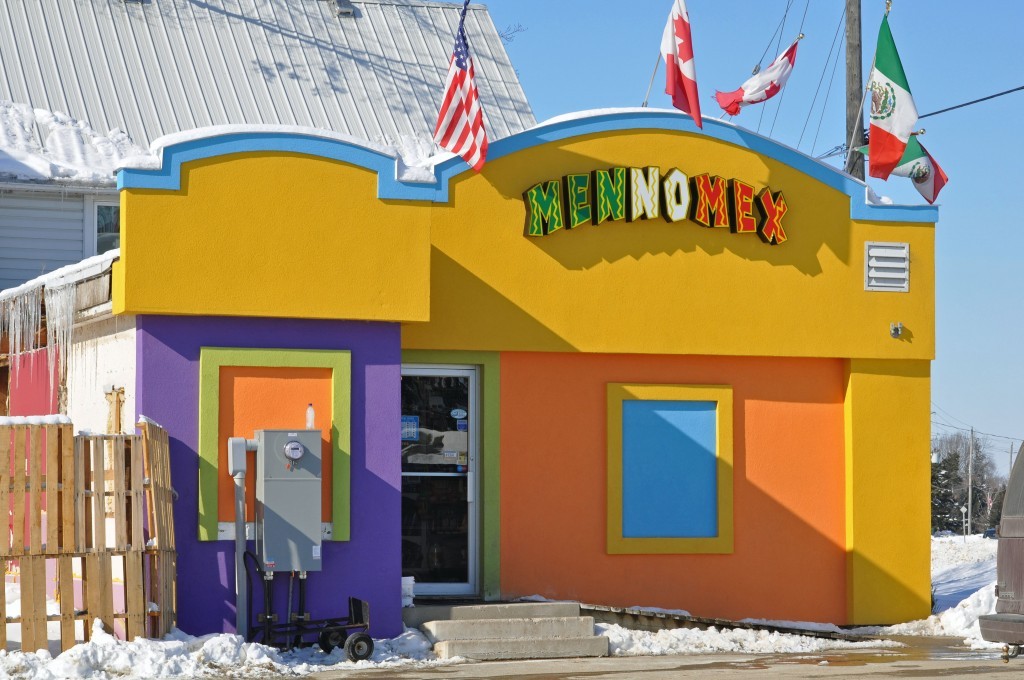
MennoMex: 49919 Talbot St E, Aylmer, ON N5H 2R1, Canada...I love this store in Aylmer, which combines Mennonite Mexican traditions with Canadian.
Prince Edward Island:
You'll find numerous little roadside stands where they sell fresh produce or flowers and sometimes baked goods in the Dundas and Summerville areas. Many more families are expected, so keep an eye out for new farm stands and potentially farmers' markets.
📷 What Makes Canada's Plain Communities Unique
The Canadian Plain communities offer some distinctive characteristics:
A Tale of Two Traditions
What's fascinating about Canada is how both Amish and Old Order Mennonites have thrived side by side. While the Amish get more attention as "tourist attractions," the Old Order Mennonites actually represent the larger Plain population and have deeper historical roots in the region.
European Origins
The Milverton Amish community came directly from Europe, giving them unique surnames and customs not found elsewhere. Meanwhile, the Old Order Mennonites trace their roots to the first Pennsylvania German settlers in Waterloo County in 1800.
Government Cooperation
Canada has shown remarkable flexibility in working with Plain communities on education, healthcare, and other needs. The recent accommodation for Amish education in Prince Edward Island is just one example.
Economic Opportunity
The vast land price differences have created opportunities for young Plain families to establish farms, leading to the recent Maritime expansion.
Tourism Integration
The St. Jacobs area has masterfully balanced preserving Plain community life while creating economic opportunities through tourism. It's a model that other areas might study.
A Growing Community
Since the 1980s and 90s, both Amish and Old Order Mennonite populations have grown rapidly. The Milverton Amish population alone has doubled since 1999, while the Old Order Mennonites have grown from about 1,000 to nearly 7,000 in the same period.
With land prices driving expansion to new provinces and continued population growth, Canada's Plain communities are poised for continued expansion. The Canadian Plain communities represent a fascinating blend of Old World traditions maintaining their foothold in the New World, now spreading their roots across multiple provinces for the first time in their 200-year Canadian history.
Whether you're interested in their traditional craftsmanship, sustainable farming practices, or simply their peaceful way of life, Canada's Plain communities offer a unique window into a simpler time - and the St. Jacobs area provides the perfect introduction to this remarkable world.




Leave a Reply