








Jump to:
Last Updated: June 2025
I remember visiting an "Amish community" near Bainbridge, Ohio about 20 years ago. I had heard tales about this settlement for years but was just now getting around to visiting. I knocked on the door of a house as the snow outside was beginning to swirl and told the man there that I had heard great things about the "Amish bakery" in town and wanted to know a little background about the community.
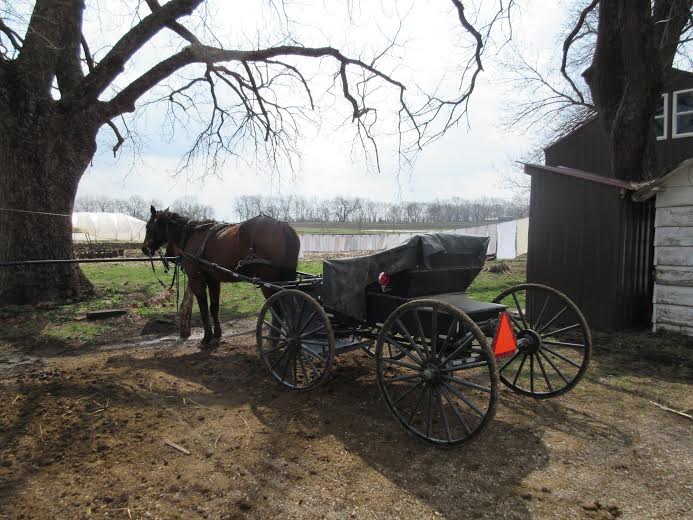
"Well, first thing," he said. "We're not Amish. We are Mennonite."
To the average outsider the difference can be tough to distinguish, I mean both groups travel by horse and buggy. But if you've ever wondered about the differences between Amish and Mennonite communities, you're not alone. These two religious groups share common roots but have evolved into distinctly different ways of life. While both originated from the same 16th-century Anabaptist movement, their approaches to modern living, technology, and community interaction vary dramatically.
This comprehensive guide will help you understand exactly what sets these two groups apart, their shared history, and how to recognize the differences when you encounter these communities.
Quick Comparison Overview
| Aspect | Amish | Mennonite |
|---|---|---|
| Technology Use | Very limited, community-approved only. Some differentiation between technology permitted for business use vs. home use. | Generally accepted, varies by group |
| Transportation | Horse and buggy primarily | Cars and modern transportation, the most conservative Mennonites, however, do use horse and buggy. |
| Electricity | Usually prohibited, with some exceptions. | Commonly used |
| Education | Through 8th grade typically | Higher education encouraged |
| Clothing | Plain, traditional styles required | Ranges from plain to modern dress |
| Church Buildings | Worship in homes | Have church buildings |
| Interaction with Outside World | Limited and purposeful | Active engagement |
| Population (US) | ~350,000 | ~500,000+ |
Shared History and Origins
Both Amish and Mennonites (and Hutterites, a similar group which took a communal path) trace their roots to the Anabaptist movement of 16th-century Europe. This radical Protestant reformation emphasized several key beliefs that set them apart from other Christian denominations:
Core Anabaptist Beliefs (Shared by Both Groups):
- Adult baptism (not infant baptism)
- Pacifism and non-resistance
- Simple living and humility
- Community support and mutual aid
- Separation of church and state
The movement began in Switzerland around 1525, spreading quickly through Germany, the Netherlands, and other parts of Europe. Early Anabaptists faced severe persecution, including imprisonment, torture, and execution for their beliefs.
Key Historical Figure: Menno Simons, a Dutch Catholic priest who converted to Anabaptism in 1536, became a prominent leader and writer. His followers became known as "Mennonites" after his name.
The Great Split: How They Became Different
The division between Amish and Mennonites occurred in 1693 over disagreements about church discipline and interaction with the broader world.
Jakob Ammann's Position (Future Amish):
- Stricter church discipline and shunning of excommunicated members
- More separation from worldly society
- Simpler dress and lifestyle
- Stronger emphasis on traditional practices
Swiss Brethren Position (Remained Mennonite):
- More lenient approach to church discipline
- Greater willingness to engage with outside world
- Less rigid lifestyle requirements
- Focus on inner spiritual life over external conformity
This philosophical split created two distinct branches that continue today, each developing their own unique characteristics over the centuries.
Lifestyle and Daily Living Differences
Amish Daily Life
Home and Family:
- Large families (6-8 children average)
- Multi-generational homes common
- Gender roles clearly defined
- Self-sufficient farming and crafts
- Community barn raisings and work bees
Work and Occupations:
- Traditional farming, carpentry, quilting
- Small family businesses
- Avoid corporate employment
- Work close to home and family
Mennonite Daily Life
Home and Family:
- Family sizes vary widely
- Modern housing and amenities
- Flexible gender roles in many communities
- Professional careers encouraged
- Active in community service and missions
Work and Occupations:
- Full range of professional careers
- Higher education and specialized training
- Global mission work and service
- Business and corporate involvement
Technology and Modern World Interaction
Amish Technology Use
The Amish approach to technology is highly selective and community-controlled:
Generally Prohibited:
- Personal automobiles
- Electricity from public grid
- Television and radio
- Personal computers and smartphones
- Modern farming equipment (varies by community)
Sometimes Permitted:
- Battery-powered tools
- Pneumatic (air-powered) equipment
- Generators for specific purposes
- Business phones (not in homes)
- Medical devices when necessary
Decision Process: Each community's church leaders (bishops, ministers, deacons) decide what technology aligns with their values of simplicity and community.
Mennonite Technology Use
Most Mennonite groups embrace modern technology:
Commonly Used:
- Cars, trucks, and modern transportation
- Electricity and modern appliances
- Computers, smartphones, internet
- Modern farming and business equipment
- Television and media (with discretion)
Approach: Technology is viewed as a tool that can serve God and community when used responsibly.
Clothing and Appearance
Amish Dress Code
Amish clothing reflects their commitment to simplicity and separation from worldly fashion:
Men:
- Dark-colored suits (black, navy, brown)
- Suspenders instead of belts
- Wide-brimmed hats
- Beards after marriage (no mustaches)
- Plain, solid-colored shirts
Women:
- Long dresses in solid colors
- Aprons and bonnets/prayer coverings
- No jewelry or makeup
- Hair worn long and simply styled
- Dark stockings and practical shoes
Children:
- Miniature versions of adult clothing
- Girls learn to wear coverings from young age
- Boys receive first hat around age 4-5
Mennonite Dress Approaches
Mennonite dress varies significantly depending on the specific group:
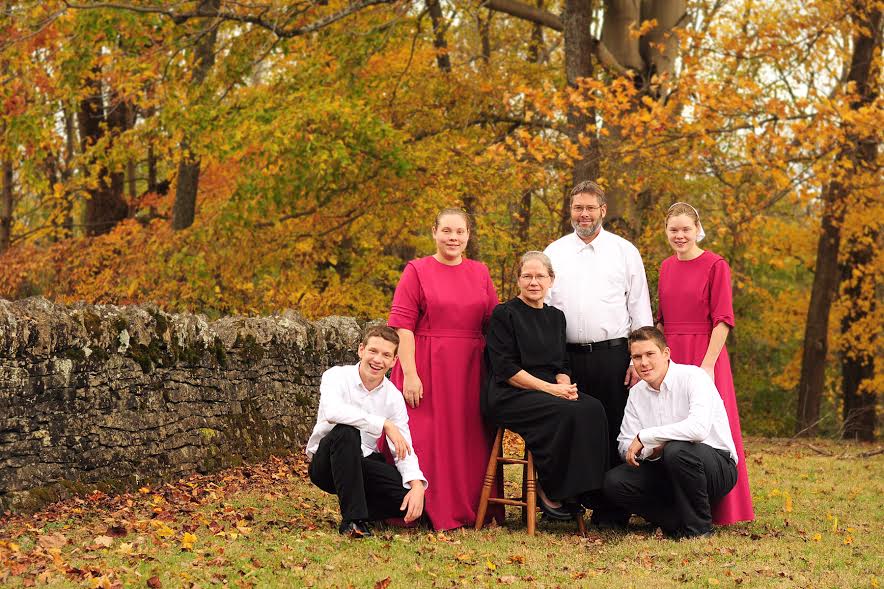
Conservative Mennonites:
- Plain dress similar to Amish but less strict
- Women may wear prayer coverings
- Modest, simple clothing in solid colors
- Limited jewelry and makeup
- Men typically do not have beards
Modern Mennonites:
- Contemporary clothing styles
- No specific dress requirements
- Emphasis on modesty and appropriateness
- Personal choice in appearance
Education and Career Approaches
Amish Education Philosophy
Formal Education:
- One-room schoolhouses
- Education through 8th grade only
- Curriculum focuses on basics: reading, writing, arithmetic
- German language instruction
- Practical skills emphasized
Higher Learning:
- Vocational training through apprenticeships
- Learning family trades and businesses
- Community-based skill development
- Resistance to formal higher education
Reasoning: Amish believe extensive formal education can lead to pride and separation from community values.
Mennonite Education Philosophy
Formal Education:
- Public and private school attendance
- Higher education strongly encouraged
- Many Mennonite colleges and universities
- Professional degree programs supported
Career Development:
- Full range of professional careers
- Doctors, lawyers, teachers, engineers
- Business ownership and leadership
- International service and mission work
Values Integration: Mennonites seek to integrate their faith values with professional excellence and service to others.
Community Structure and Church Life
Amish Church Organization
Worship:
- Services held in homes, rotating every other Sunday
- Three-hour services in High German
- No church buildings or permanent structures
- Lay ministers chosen by lot (no formal training)
Leadership:
- Bishop (highest authority)
- Ministers (preachers)
- Deacon (assists with community needs)
- Decisions made by church district consensus
Community Size:
- Church districts of 20-40 families
- Split when communities grow too large
- Strong local autonomy
Mennonite Church Organization
Worship:
- Church buildings for weekly services
- Services in local language (English, Spanish, etc.)
- Professional or trained pastoral leadership
- Contemporary and traditional worship styles
Leadership:
- Trained pastors and ministers
- Elected church boards and committees
- Conference and denominational structures
- Democratic decision-making processes
Community Structure:
- Large congregations common
- Regional and national conferences
- Global church connections
Transportation and Travel

When most people think of the Amish and travel, they think of horse-drawn buggies, but it is more nuanced than than. There are plenty of ways the Amish travel besides buggy (think planes, trains, and automobiles). There are Amish who travel by buggy, but there are some Mennonites that do too. And then there are some Amish that allow tractors for transportation and almost all Amish will ride in cars even if they don't own them.
Amish Transportation
Primary Methods:
- Horse and buggy for local travel
- Walking for short distances
- Bicycles (in some communities)
- Hired drivers for longer trips
Travel Restrictions:
- Generally stay within local community
- Limited long-distance travel
- Medical emergencies exception
- Some business-related travel permitted
Mennonite Transportation
Modern Approach:
- Personal automobiles standard
- Air travel for business and missions
- Public transportation use
- International travel common
Global Reach:
- Active in worldwide missions
- Relief and service organizations
- International educational exchanges
- Global church conferences and connections
Modern Mennonite vs Old Order Mennonite
Not all Mennonites live the same way. There's significant diversity within Mennonite communities:
Old Order Mennonites
- More similar to Amish lifestyle
- Limited technology use
- Plain dress requirements
- Horse and buggy transportation
- Resistance to higher education
Conservative Mennonites
- Selective technology adoption
- Modest dress expectations
- Some higher education
- Cars permitted but simple models
- Strong community focus
Modern/Progressive Mennonites
- Full technology adoption
- Contemporary clothing styles
- Higher education encouraged
- Professional careers common
- Active social justice involvement
Common Misconceptions
About the Amish
Myth: "Amish don't use any technology" Truth: They selectively use technology that doesn't threaten community values
Myth: "All Amish communities are identical" Truth: Rules and practices vary significantly between different church districts
Myth: "Amish are unfriendly to outsiders" Truth: While private, most Amish are courteous and helpful to neighbors. And many can have a wicked sense of humor. Or be practical jokers. I have sat on a whoopie cushion a time or two that had been strategically placed under a cushion on a rocker.
About Mennonites
Myth: "All Mennonites dress plain and live like the Amish" Truth: Most modern Mennonites are indistinguishable from other Christians in appearance
Myth: "Mennonites are just liberal Amish" Truth: They're separate denominations with different approaches to faith and living
Myth: "Mennonites don't believe in evangelism" Truth: Many Mennonite groups are very active in missions and evangelism
Where to Find Each Community
Major Amish Populations
Pennsylvania:
- Lancaster County (largest settlement)
- Chester, Berks, and Crawford Counties
Ohio:
- Holmes and Wayne Counties
- Geauga and Trumbull Counties
Indiana:
- Elkhart and LaGrange Counties
- Adams and Allen Counties
Other States:
Major Mennonite Populations
Pennsylvania:
- Lancaster County
- Franconia and Montgomery Counties
Kansas:
- Newton and Hillsboro areas
- Hutchinson region
Virginia:
- Harrisonburg area (Eastern Mennonite University)
Other Concentrations:
- Ontario, Canada
- Winnipeg, Manitoba
- Fresno, California
- Global presence in over 50 countries
Frequently Asked Questions
Can you convert to become Amish or Mennonite?
Amish: Very difficult but not impossible to join the Amish. Fewer than 100 outsiders have successfully joined Amish communities in recent decades. Requirements include learning Pennsylvania Dutch, adopting all lifestyle restrictions, and proving long-term commitment. I have met several converts and some manage to easy right into the Amish lifestyle, while others have problems.

Mennonite: Much more common and welcomed. Many Mennonite churches actively welcome new members from diverse backgrounds. No specific lifestyle changes required for most groups.
Do Amish and Mennonites intermarry?
Generally no. While both groups are Christian, their different lifestyle requirements make intermarriage uncommon. When it occurs, one person usually converts to the other's way of life. It is far more common, in my experience, to find an Amish person who converts to the Mennonite way of life. But occasionally it happens the other way. I was in Aylmer, Ontario once and met some Amish with the last name of Martin, which is a very common Mennonite surname. Turns out the male Martin met an Amish woman, converted to Amish, and married her.
Which group is more religious?
Both are deeply religious, but express their faith differently. Amish focus on living faith through community conformity and separation from the world. Mennonites often emphasize living faith through service, missions, and engagement with broader society.
Are there Black or Hispanic Amish/Mennonites?
Amish: Extremely rare due to historical and cultural factors. The few African Americans who have joined Amish communities often face challenges with cultural integration. The Black or mixed race Amish tend to come into the faith via adoption.
Mennonites: Much more diverse, with growing African American, Hispanic, and international populations. Many Mennonite churches actively promote racial diversity and reconciliation.
How do they handle modern medical care?
Amish: Accept medical care but prefer natural remedies when possible. Use hospitals for serious conditions. Some communities have medical funds to help with costs. Most do not accept or carry health insurance. Many Amish seek out herbal or holistic remedies. Traveling to Mexico for expensive procedures is relatively common among the Amish.
Mennonites: Fully embrace modern medical care. Many work as healthcare professionals. Some groups operate hospitals and medical missions.
What about military service?
Both groups are traditionally pacifist and seek alternatives to military service:
Amish: Complete pacifists who won't serve in military or police roles. During wars, often served in alternative service programs.
Mennonites: Range from complete pacifism to acceptance of military service, depending on the specific group. Many serve in peace and relief organizations instead.
Understanding the Key Difference
The fundamental difference between Amish and Mennonites comes down to their approach to engaging with the modern world:
Amish Philosophy: "In the world, but not of the world" through physical and cultural separation
Mennonite Philosophy: "In the world, but not of the world" through value-based engagement and service
Both groups seek to live faithful Christian lives, but they've chosen very different paths to achieve that goal. The Amish preserve their faith through community isolation and traditional practices, while Mennonites generally engage with modern society while maintaining their core values of peace, service, and simple living.
Understanding these differences helps us appreciate both communities for their unique contributions to American religious and cultural diversity. Whether you encounter an Amish family at a farmer's market or a Mennonite doctor at a hospital, you're meeting people whose faith shapes every aspect of their daily lives – just in very different ways.
Both communities continue to grow and evolve while staying true to their foundational beliefs, proving that there are many paths to living a meaningful, faith-centered life in the modern world.



Leave a Reply